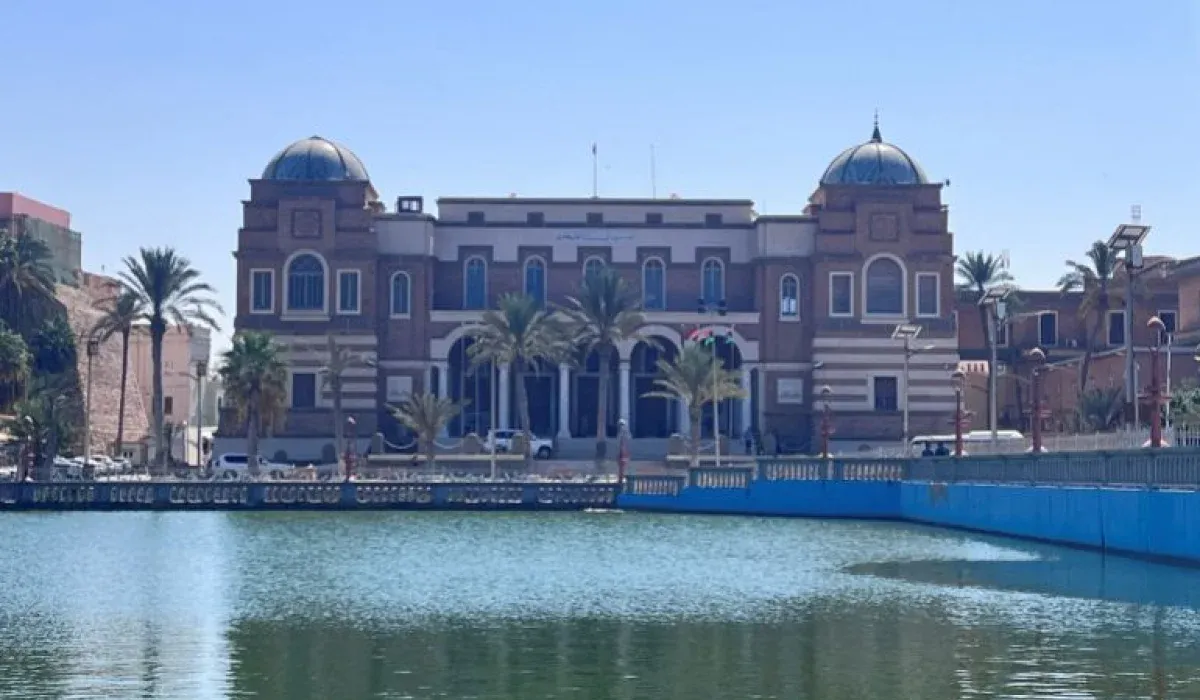
Professor of Economics at Misrata University, Ali Al-Ghweil, told our source in an exclusive statement that the recent remarks by the Governor of the Central Bank of Libya clearly reflect the fragility of the Libyan economy and its near-total dependence on oil revenues. He pointed out that the Governor’s statements carry important implications, most notably that over 90% of state revenues come from this sector, covering salaries, subsidies, and operational expenses—all almost entirely funded by oil income.
Al-Ghweil added that oil price fluctuations pose a major risk to the economy, explaining that if the price of a barrel drops to around $52, it would be considered low compared to the state’s costs and general needs. The government usually requires a price between $70 and $80 per barrel to maintain budget balance, and any drop below that could lead to deficits in financing salaries and providing essential services.
He went on to say that these statements should serve as a wake-up call for decision-makers, emphasizing that the solution is not to wait for oil prices to rise but to implement serious economic reforms that include rationalizing spending, combating corruption, diversifying income sources, and building strong and stable financial institutions.
Regarding the proposal to establish a holding company for banks, Al-Ghweil explained that this has specific reasons and goals, the most important of which is restructuring the banking sector to enhance efficiency, achieve coordination and integration among banks instead of each operating in isolation, and improving supervision and governance through a central entity capable of enforcing stricter administrative and financial controls.