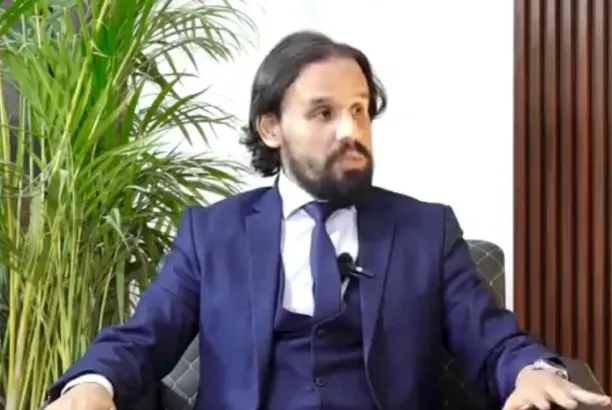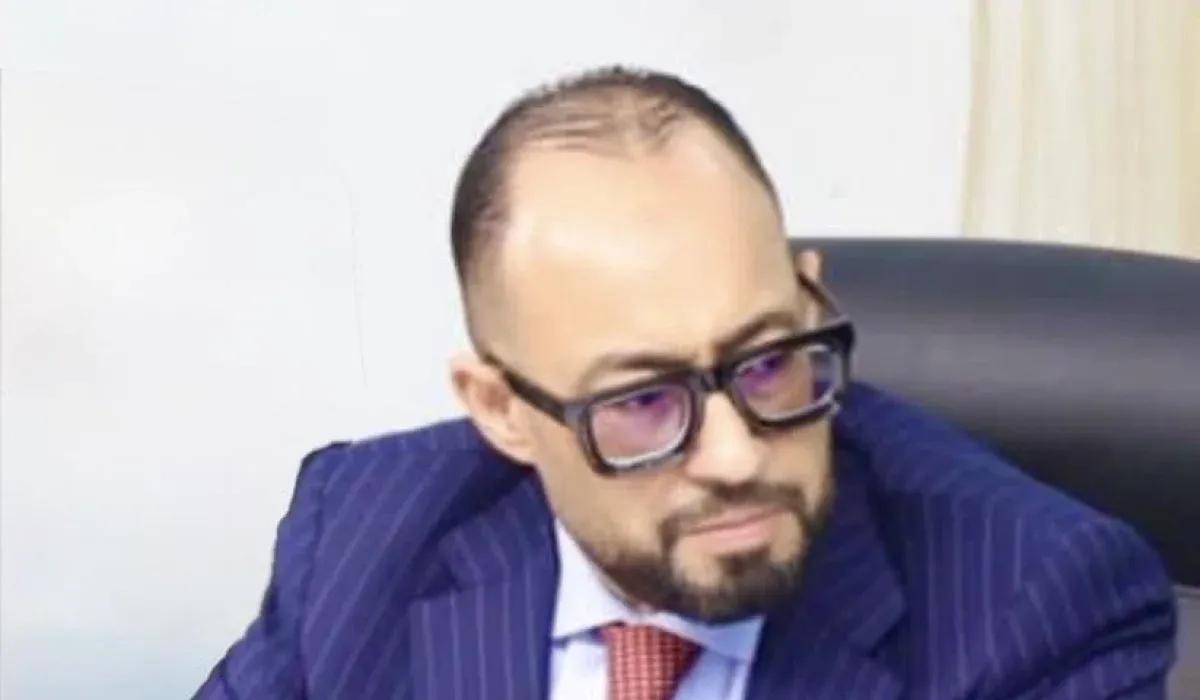
Written by Advisor Mustafa Al-Manea: The revival of the aviation sector
Libya is witnessing a strategic transformation in one of the sectors most capable of creating economic value and attracting investment, as the Government of National Unity announces the establishment of a national holding aviation company. This company is to be built on a modern model for fleet and airport management and operations, and supported by technical and commercial partnerships with global companies such as Lufthansa Technik and Boeing.
This step does not come in isolation from the economic context. It aligns with a vision to reposition Libya as an important hub for air traffic in the Mediterranean and Africa, at a time when global markets are restructuring their routes and networks after the recovery phase from geopolitical crises and the COVID-19 pandemic.This direction comes in parallel with high-level governmental meetings held in Washington with Boeing last October, followed by another meeting this week during which the “white paper” for developing the Libyan aviation sector was approved. This is part of a historic economic partnership between Libya and the United States through Boeing to rebuild the aviation sector according to the highest international standards, in addition to earlier cooperation with Lufthansa Technik.
A New Government Vision for the Aviation Sector“Diversified Economy and Strategic Location”
Libya possesses one of the most important geographical locations in the Mediterranean basin, lying on a main route connecting Europe with North and Central Africa, in addition to its proximity to east–west transit routes. Yet this location has long been underutilized in terms of its true economic value.Thus, the establishment of a holding aviation company represents a platform to rebuild the sector following the model of major national carriers in the region, such as:
• Qatar Airways, which helped raise the aviation sector’s contribution to Qatar’s GDP to over 11%.
• Turkish Airlines, which transformed from a struggling local company into a global player serving more than 340 destinations, making Istanbul one of the world’s largest transit hubs.
• Emirates Airlines, which has become a global model for intercontinental connectivity, with Dubai’s aviation sector now contributing around 27% of GDP.These experiences confirm that building a modern aviation ecosystem can raise the sector’s contribution to GDP by 2%–4% within five years, while creating thousands of direct and indirect jobs in operations, maintenance, ground services, and logistics.
Partnerships with Lufthansa and Boeing“Knowledge Before Fleets”
Cooperation with Lufthansa Technik and Boeing represents a shift from a traditional operational mindset to a knowledge-based aviation industry. These companies specialize in:
• Fleet restructuring
• Implementing ICAO-compliant safety and operational systems
• Developing MRO (maintenance, repair, and overhaul) centers
• Training pilots and cabin crew
• Building digital booking and marketing systems
Economically, studies show that countries adopting modern management models with global manufacturers have reduced operational costs by 15%–25% and increased aircraft utilization efficiency by up to 12%.
Having a global technical partner also enhances Libya’s ability to regain its aviation rating within the European EASA system, opening more international destinations for Libyan travelers.
New Airports“Infrastructure That Supports Growth”
This approach coincides with the construction and development of several airports across Libyan cities. Investment in infrastructure is the primary requirement for building an aviation industry capable of growth—especially since:
• Every one million passengers annually creates around 2,600 direct and indirect jobs, according to IATA.
• Modern airports increase economic returns by 3 to 5 times the investment value within 10 years.
This structural transformation also aligns with the return of major airlines to Libyan airspace in the past two years, including Turkish Airlines, Tunisair, Royal Jordanian, ITA Airways, EgyptAir, and Syrian Air.Additionally, Libya has restored routes to Malta, Italy, Jordan, the UAE, Egypt, Syria, Saudi Arabia, Greece—and soon Qatar, Morocco, the United Kingdom, and others.
Meanwhile, the Ministry of Transportation in the Government of National Unity has succeeded in restoring Libya’s standing in regional and international aviation organizations, passing multiple airport-readiness evaluations by regulatory authorities—a crucial step toward reopening airspace to major global airlines.
Expected Economic Value“From Transport to Logistics”
The government’s aviation plan opens the door to transforming Libya into a hub for advanced aviation services, including:
• Air cargo
• Logistics services
• Aircraft maintenance (MRO)
• Pilot training
• ICAO compliance and international certification services
Global experiences show that MRO centers alone can generate between $150–$300 million annually if operated according to international standards and by attracting transit aircraft.
Conclusion
The Government of National Unity’s step to establish a national holding aviation company—and its cooperation with Lufthansa and Boeing—is not simply about restarting planes or airports. It is a complete rebuilding of an economic sector that can drive diversification, job creation, and Libya’s reconnection with the world.The success of the aviation sector will be measured primarily by its ability to provide services worthy of citizens and to ease their travel—particularly through:
• Improving service quality
• Opening new destinations
• Enhancing traveler confidence
• Attracting global airlines
• Turning airports into economic movement hubs rather than mere passage points.
If managed as planned—with strong governance and sustainable international partnerships—this initiative will firmly return Libya to the regional aviation map and provide the Libyan economy with a stable industry not tied solely to oil prices, but to knowledge, services, and global connectivity.
About the Author
Advisor Mustafa Al-Manea is a Libyan lawyer and legal/economic expert with over 24 years of experience. He has worked with investment institutions, sovereign funds, and banks across several countries, including Libya. He serves as an expert for international research centers and has worked for years as an advisor to the Central Bank of Libya, in addition to being a board member of the Libyan Investment Authority and the Libyan Foreign Bank.He has represented Libya in meetings of the World Bank and IMF and heads the executive team for the Prime Minister’s strategic initiatives. He is also a member of the Libyan–American Business Council and has several research papers and articles published in Arab, American, and European newspapers.