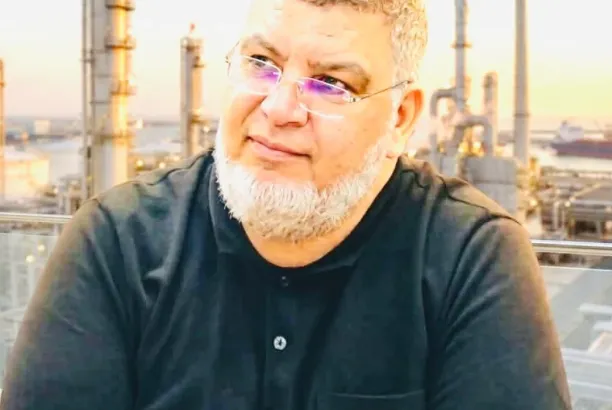
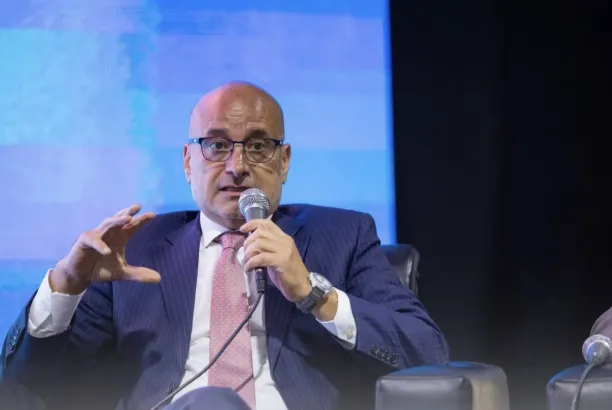
Written by financial analyst Khaled Al-Zantouti: “When a nation’s resources are sold for meager gains to rival local factions.
News occasionally emerges about our governments and executive bodies forming partnerships with foreign parties, creating new companies, signing agreements or trade treaties, or awarding contracts to foreign firms—sometimes worth hundreds of millions or even billions. These foreign entities often come from countries with political, security, or military influence in Libya. Libyan officials appear in commemorative photos, smiling broadly with representatives of these foreign companies, as if they had “caught the prize by its tail.”
The question is: Are these contracts, agreements, and partnerships based on economic feasibility, or are they granted merely to gain political support from one party or another?
The answer is often disappointing. Most agreements with these parties far exceed standard costs and do not follow legal requirements for public tenders, competitive pricing, and quality assurance. All bids should undergo public tenders after pre-qualification, adhering to regulations that ensure the best price and quality. Priority should be given to local private or public companies. Are our governments and executive bodies following these procedures?
I doubt it. I fear that such contracts are awarded to foreign companies in exchange for promises of support from their governments to certain Libyan factions. Consequently, national resources are squandered for minimal returns, enabling further corruption, theft, and power struggles at the expense of the country and its citizens.
I call on all oversight bodies to fulfill their roles: verify the necessity of such foreign contracts, ensure they meet established technical, financial, and legal standards, explore whether local companies could execute them, and hold accountable anyone who misuses Libya’s wealth for personal gain, regardless of their position or location.”