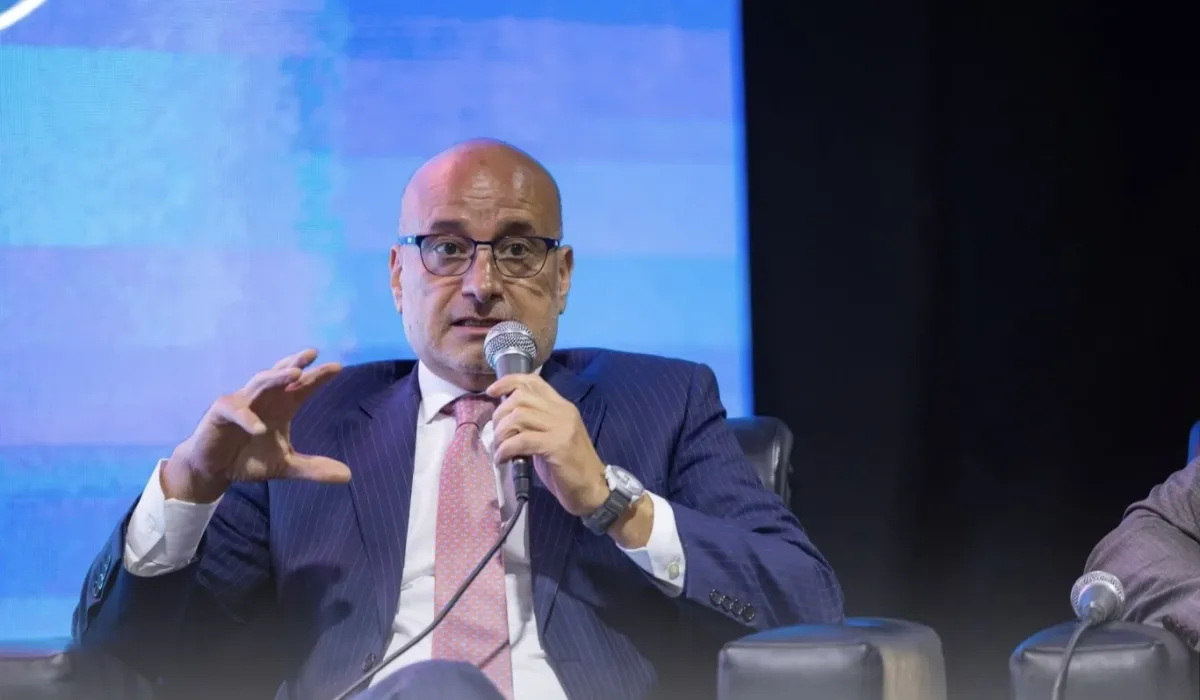
Banking expert Noman Al-Bouri wrote an article in which he stated:
What is the point of a higher salary if the cost of food, medicine, housing, and education consumes it faster than before?
A salary should be measured by what it can buy, not by the number of dinars listed on a payslip. If your salary increases by 20% while the cost of your living expenses rises by 30%, your purchasing power falls by approximately 8%, even though you receive a larger amount.
You have not become wealthier; you simply need more dinars to cover your expenses.
In Libya, salaries cannot be discussed separately from public spending, oil revenues, and the exchange rate. An economy that relies heavily on imports needs foreign currency to supply most of the goods consumed by its citizens.
When the state increases its salary bill without sustainable revenues to cover it, the question that must be asked is: Where will the money for this increase come from?
If the increase is financed by reallocating expenditure, curbing waste, and securing genuine sources of revenue, it may be sustainable. However, if it is financed through a growing deficit and the injection of more money into the economy, it generates additional demand without a corresponding increase in production or foreign currency reserves.
More dinars chase goods and dollars, while available resources do not grow at the same pace. This puts increasing pressure on the exchange rate and prices.
When the dinar depreciates, the cost of importing food, medicine, equipment, and raw materials rises. These higher costs then feed into transportation, production, and services, meaning that even citizens who do not buy dollars pay the price of rising exchange rates.
This is how the vicious cycle begins:
Higher spending, a larger deficit, pressure on the dinar, rising prices, and then demands for another salary increase, bringing us back to the same problem at an even greater cost.
The damage is not limited to salaries. Savings accumulated by citizens over the years lose part of their value, while pensioners and people on fixed incomes bear the burden. Those who receive no salary increase also pay the price of a policy from which they have not benefited in the first place.
Inflation takes money out of everyone’s pockets, but it hurts those on lower incomes the most.
This is not an argument for leaving employees with salaries that fail to cover their needs. Rather, it is a call for salary increases to be real, properly funded, and sustainable, protecting people’s livelihoods instead of fuelling another wave of price increases.
Demand disciplined public spending and an end to waste and corruption. Call for a unified budget that clearly accounts for revenues and expenditure. Demand reform of the public-sector pay structure before expanding the salary bill, alongside better management of revenues and the development of domestic production.
Preserving the value of the dinar cannot be achieved through slogans or an administrative decision on the exchange rate alone while uncontrolled spending continues. It requires disciplined fiscal policy and consistent monetary management.
It is no achievement for a government to raise the figure on a payslip while failing to protect its value in the market.
Citizens need a better quality of life, not bigger numbers on paper.