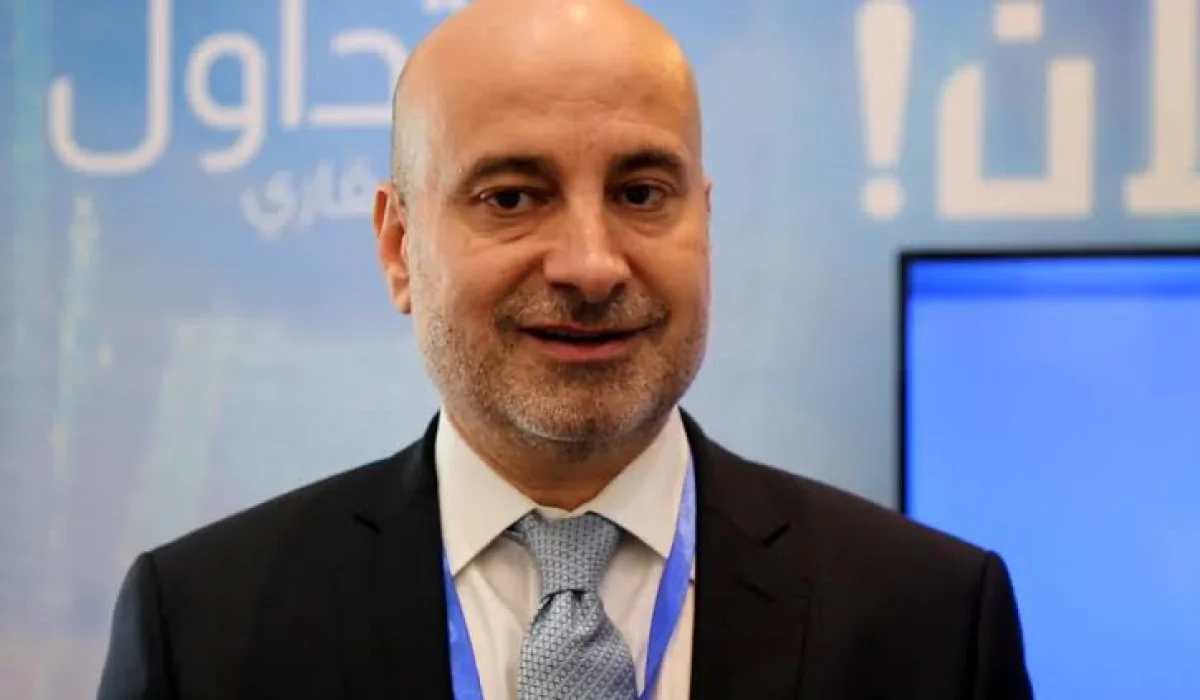
Written by banking expert “Nouman Al-Bouri”
For years, we have been calling for the activation of Libya’s capital market and the development of non-bank financing instruments. Yet whenever we discuss supporting the private sector, the debate returns to the same question: How much will banks lend?
Yesterday, Anthropic, the company behind the “Claude” AI models, raised $81.3 billion in the largest initial public offering ever, reaching a market capitalization of $2 trillion on its first day of trading. What matters for Libya in this example is the ability of capital markets to mobilize investors’ funds to finance companies’ expansion on a large scale.
How could this benefit Libyan companies?
– Equities and venture capital: A technology company that needs years to develop its product can attract investors willing to share the risks of growth in exchange for an ownership stake. A company that has reached an appropriate size can increase its capital by issuing new shares.
– Bonds and sukuk: An established company with stable revenues can finance its expansion by issuing bonds or sukuk with maturities suited to the project, thereby broadening its financing base.
– Leasing: A transport company can operate new trucks through installments spread over the contract period, preserving part of its liquidity to cover fuel, salaries, and maintenance.
– Invoice financing: A supplier who has delivered goods but is waiting three months to collect payment can obtain liquidity against its invoices to purchase the next shipment and pay salaries.
– Investment funds: Savers can participate in diversified portfolios managed by professionals, while funds can channel part of those savings into issuances that finance companies’ expansion.
These instruments serve different needs: a startup requires capital that can absorb the risks of its early stages, an established company needs long-term financing, and a supplier needs liquidity until customers pay. When we limit the options to bank loans, a company with customers and an opportunity to expand may be forced to halt its growth because it lacks the required collateral or because the loan maturity is shorter than its project cycle.
The government’s responsibility is clear. Companies need workable issuance and listing regulations, while investors need audited financial statements, regular disclosures, and protection of shareholders’ rights. Under these conditions, investors can evaluate opportunities and companies can compete for capital.
Every year we delay this reform means lost expansion opportunities and jobs. Let banks play their role, and open the remaining financing channels to Libyan companies.