


| News
Al-Bouri: A National Initiative to Transform Electricity Subsidies into Sustainable Investment in Solar Energy
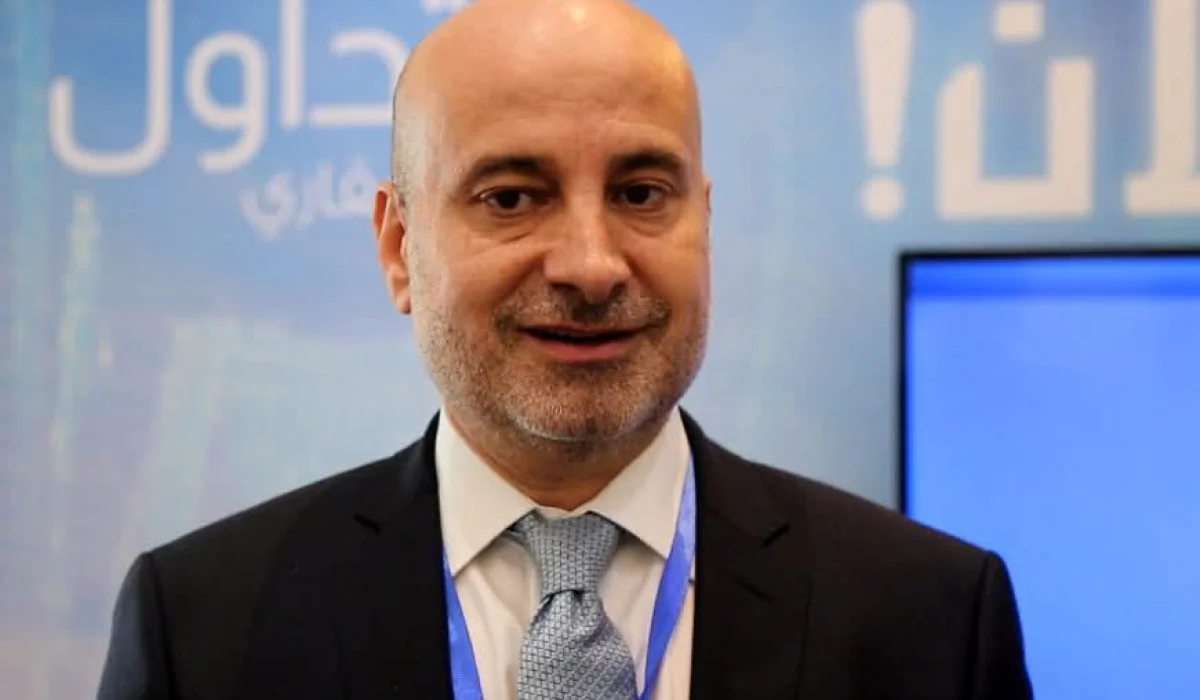
Banking expert Numan Al-Bouri wrote:
The Central Bank could launch a national initiative with significant economic and strategic impact by providing commercial banks with credit lines equivalent to the amount spent over one year on subsidizing the General Electricity Company.
The banks, in turn, would use these credit lines to provide citizens with affordable loans, repayable over 10 years, to finance the purchase and installation of solar energy systems for homes.
Implementing this initiative would enable each household to generate a significant portion of its electricity needs, reducing pressure on the public grid, limiting power outages, and significantly reducing government spending on the electricity sector.
It would also save billions of dollars currently wasted each year and redirect them toward more sustainable development projects. At the same time, it would create thousands of jobs in the import, installation, and maintenance of solar energy systems while increasing reliance on clean energy sources.
Transforming subsidies from fuel and the public electricity grid into direct financing for citizens would generate several strategic benefits, most notably:
First: Sustainable Financial Savings
- Reducing waste resulting from fuel subsidies and the maintenance of the aging electricity grid.
- Shifting government spending from continuous operational expenses toward productive assets owned by citizens, with long operational lifespans.
- Reducing the financial burden on the General Electricity Company, allowing it to direct its resources toward grid development and strategic projects.
Second: Implementation Mechanism
- The Central Bank would provide commercial banks with long-term, dedicated credit lines.
- Banks would offer affordable loans or Sharia-compliant financing through Murabaha arrangements to fund the purchase and installation of solar energy systems.
- The solar system itself could serve as collateral for the loan, or installments could be deducted directly from the beneficiary’s salary or collected through approved electronic payment methods.
- Household solar systems would be connected to the public grid under a Net Metering system. Citizens would consume the electricity they need and sell surplus electricity to the General Electricity Company. This would help shorten the loan repayment period while generating additional income for citizens.
Third: Challenges That Must Be Considered
- Providing the necessary financing to cover the initial cost of the systems, which could range between US$3,000 and US$6,000 per household, depending on the required capacity.
- Establishing standardized technical specifications and licensing implementing companies through the relevant authorities to ensure the quality of solar panels, batteries, and inverters, as well as the efficiency of installation work.
- Launching public awareness campaigns to explain the project’s economic feasibility and the financial returns it could generate over the medium and long term.
Al-Bouri concluded that the initiative would represent more than just a project to address the electricity crisis. Rather, it would be a national economic transformation project that converts government subsidies from ongoing consumption into productive investment.
It would strengthen energy security, reduce public spending, and give citizens a direct role in electricity generation, contributing to sustainable development that benefits both the state and society.


