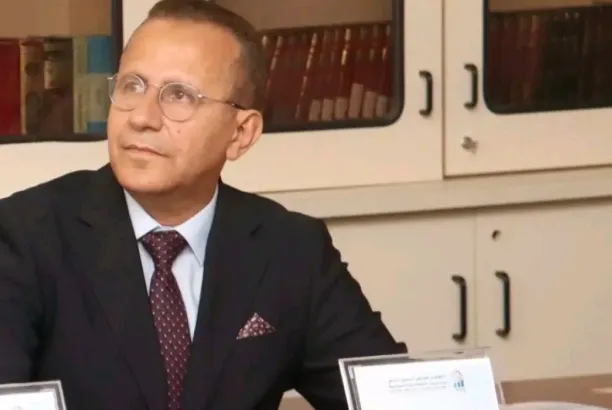
Economic expert Mohsen Al‑Drija spoke via his official Facebook page, saying that the sale of U.S. dollars to the public reflects the Central Bank of Libya’s move to rely on a limited number of exchange offices to sell citizens’ personal entitlements with a profit margin not exceeding 7%, and to end the use of cards. A key reason for this shift, he noted, is the sale of cards and their use by people other than the rightful holders, which raised concerns about money laundering and illicit uses—adding that “we heard about what happened in Turkey a month ago.”
He also said that the set margin for exchange offices (7%) is very high compared with the currently applied spread (the difference between buying and selling the dollar with existing exchange offices does not exceed 0.25%). Moreover, limiting the number of exchange offices will create large profit opportunities at the citizen’s expense and will perpetuate the wide gap between the official rate and the price at which the dollar is sold to the public.
Continuing, he argued that it would be preferable to operate through Western Union, MoneyGram, and local and international bank transfers, while leaving exchange offices unrestricted in number by opening licensing to all currently operating offices under conditions set by the Central Bank of Libya—rather than pushing existing offices to operate without licenses and informally, making oversight difficult.
Al-Drija concluded that neglecting money-laundering issues and the parallel market has placed all Libyan transfers and letters of credit under the scrutiny of the U.S. Federal Reserve. He added that addressing the card problem by confining dollar sales to the hands of a limited number of private or quasi-government individuals will increase, not reduce, international pressure on Libya’s financial system.