| Economic articles
Al-Farsi: “The Libyan Crisis Between Misdiagnosis, Incompetent Management, and Troubled Social Behavior”
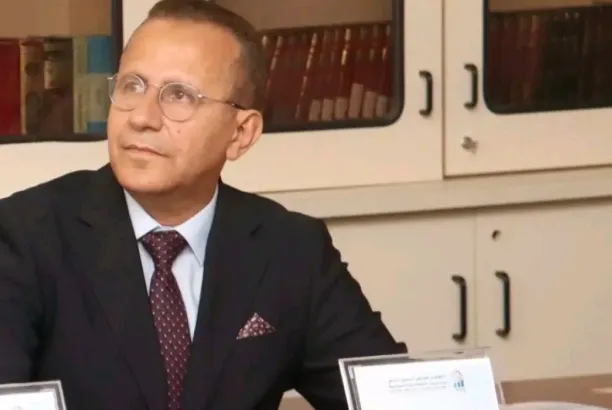
Written by: Economic Expert Ayoub Mohamed Al-Farsi
Firstly: How the Crisis Is Managed in Libya – Between Reality and What Should Be:
What is happening in Libya now is an attempt to maintain the status quo, relying on market mechanisms and continuing policies, while some experts recommend working as if the crisis does not exist—assuming that economic mechanisms alone will correct the situation without direct state intervention.
But the Economics of Crisis Says:
“Crisis Economics” is not just a financial downturn; it is a state in which the behavior of individuals, companies, and governments must shift from “growth and prosperity” to “survival and hedging.” In these circumstances, traditional market laws fail to operate efficiently, and the state must intervene directly to manage limited and wasted resources, especially if the crisis is accompanied by corruption, as in Libya.
To achieve the most effective solution for the economy, one must avoid idealism and focus, in my opinion, on three pillars. Neglecting them would exacerbate the problem:
1. Prioritizing Expenditures:
Spending should shift from luxury and leisure goods to a “necessity economy” (food, medicine, energy, and security). Companies that do not provide these services face immediate bankruptcy if the crisis is managed wisely. In Libya, the opposite is happening: luxury sectors are expanding, and their suppliers are becoming wealthy amid the crisis.
2. Managing Collective Behavior During Economic Crises:
Fear drives individuals to seek “safe havens,” such as gold or foreign currency, creating a liquidity crisis. Restoring confidence in the banking sector is essential, with pillar one as the foundation.
3. Strong State Intervention (Most Important):
In crises, the “invisible hand” of the market diminishes, and the “grip of the state” becomes necessary. Governments must inject massive liquidity (stimulus packages) or impose price controls to prevent social unrest.
The mistake in Libya is insisting on market mechanisms while letting corrupt actors set prices, distorting the principle of competition, which is largely absent. Most goods are monopolized, and market mechanisms are paralyzed, even if they were functional before the crisis.
State Intervention Options in Economic Crises Include:
- Forced Pricing: To protect citizens and their savings, or directing factories to produce specific goods, similar to what happened during COVID-19 when car factories produced ventilators.
- Expanding Monetary and In-Kind Support: To ensure a minimum level of consumption for individuals.
A crisis economy cannot be solved using normal economic assumptions; solutions must consider the specific conditions of the crisis. For example, the approach in 2015 with a money supply of about 79 billion dinars differs vastly from 2025 with 220 billion dinars.
It is illogical for solutions to ignore corruption in credit provisioning, fuel smuggling, rising poverty, or fluctuations in foreign currency and money supply, while expecting market mechanisms alone to restore stability.
Conclusion:
Policies and solutions must be based on the reality of the economy, not ideal conditions. Crises require diagnosing how the economy functions under stress, not applying general economic rules.
As a legal maxim states: “The private restricts the public” — I say: “Economic crises restrict economic mechanisms.”
The Problem Lies In:
- Misdiagnosis: Treating Libya’s crisis merely as a liquidity or exchange rate issue, while it is fundamentally structural and productive.
- Poor Management: Institutional failure to direct available resources (oil) toward building a resilient economy.
- Social and Behavioral Factors: Fear of the future leads to hoarding, speculation, and over-reliance on the state (rent-seeking), worsening the crisis.