| Economic articles, Meeting Of The Week
“Al-Manea”: Announcement of the Results of Libya’s Public Bid Round for Oil and Gas Exploration
Counselor Mustafa Al-Manea writes: Announcement of the Results of Libya’s Public Bid Round for Oil and Gas Exploration
The Libyan National Oil Corporation announced today, Wednesday, February 11, 2026, the results of the country’s first public bid round for oil and gas exploration in 17 years—one of the most significant economic events in recent years. In this round, licenses for the exploration and development of oil and gas were awarded to several major international companies after approximately 20 exploration blocks were offered across the country’s main basins, including 11 onshore and 9 offshore blocks.
Winning Companies
This first round in nearly two decades was won by Spain’s Repsol, Italy’s Eni, and the American company Chevron, along with consortiums that included firms from Hungary, Turkey, Qatar, and Nigeria. The round had clear objectives: attracting foreign direct investment, increasing oil and gas production, supporting the national economy, developing state resources, and enhancing partners’ confidence in the energy sector and the Libyan market in general.
New Investment After a Long Interruption
This round represents the first public award process since 2007, following a prolonged halt due to the political and security challenges the country has faced. The resumption of such a process reflects the confidence of major global companies in Libya’s hydrocarbon potential, as well as in the country’s investment environment.
By granting licenses to major companies and multinational partnerships, Libya—currently producing around 1.4 million barrels of oil per day—moves from a consumption-oriented phase reliant on existing resources to a stage of strategic partnerships generating long-term added value. This will contribute to increased investments in technical, technological, and energy-related service sectors.
Increasing Revenue and Supporting the National Economy
In the medium term, the entry of specialized exploration and development companies is expected to raise oil and gas production to 1.6 million barrels per day and then to 2 million barrels per day, which would increase public revenues. The Libyan economy relies heavily on the energy sector; thus, revitalizing this sector means injecting new financial resources into the state treasury, enabling the financing of development projects in health, education, and infrastructure, as well as stimulating overall economic activity and contributing to income diversification.
Increased production, alongside modern contractual arrangements, could also help attract investment beyond traditional oil, into downstream projects and innovative economic sectors.
Strengthening International Confidence and Partnerships
The success of this round extends beyond the economic dimension; it also carries diplomatic and strategic implications. Competition among companies of various nationalities—and their winning investments managed under transparent contractual frameworks—will undoubtedly strengthen Libya’s relations with its international partners and position the country more strongly on the global investment map.
The confidence Libya has gained through this step is not limited to global oil companies, but also extends to banks, financing instruments, and investment funds, which increasingly recognize the attractiveness of the Libyan market in terms of diversity, revenue potential, and relatively lower risk.
This step serves as a bridge toward broader partnerships that include technology transfer, vocational training, and job creation for Libyans in the oil sector and its related industries and services.
Conclusion
The announcement of the results of Libya’s public bid round today is not an isolated event but part of a broader strategy led by the Government of National Unity to restore the path of economic development, attract international investment, support state revenues, and strengthen partnerships that provide technical knowledge and managerial expertise to achieve sustainable growth.
However, additional challenges remain linked to today’s achievement. Foremost among them is creating a balanced energy mix through investment in clean energy production and export, environmental protection, combating carbon emissions, building and qualifying a new generation of national energy specialists, and keeping the energy sector free from political polarization.
Ultimately, today’s winners are not only the global companies, but the national economy—and Libya itself, in the east, west, and south—through the development of the primary source of livelihood for all Libyans.
About the Author:
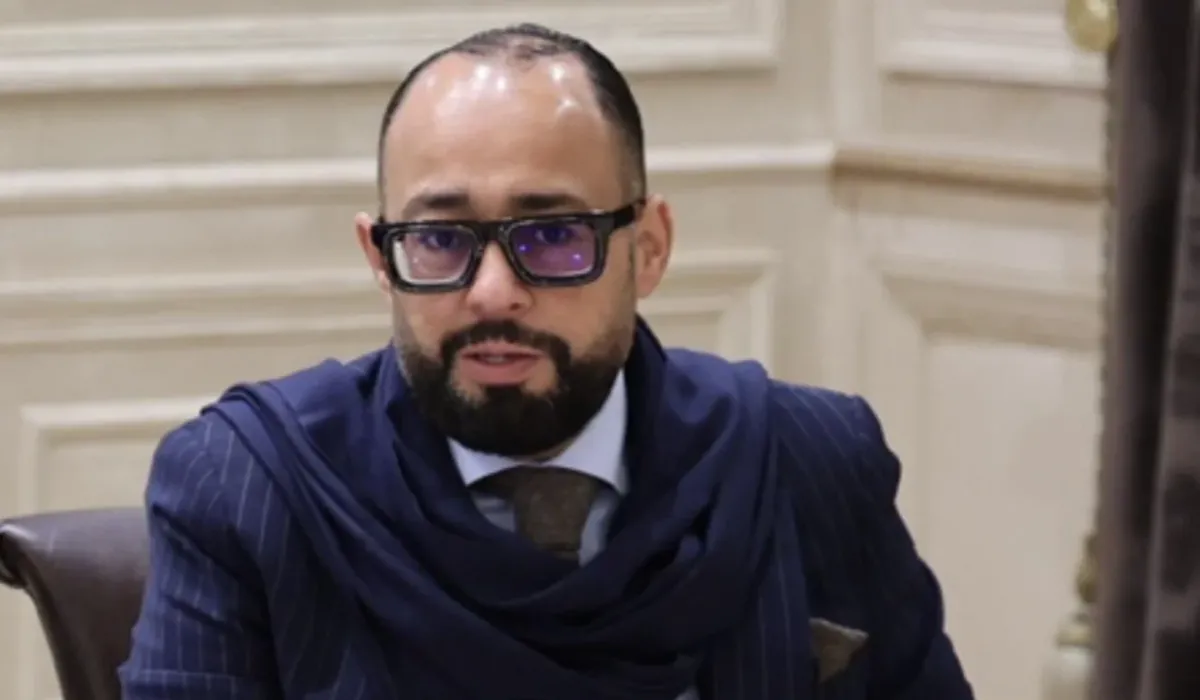
Counselor Mustafa Al-Manea is a Libyan lawyer and legal and economic expert with over 24 years of experience. He has worked with several investment institutions, sovereign funds, and banks in multiple countries in addition to Libya. He serves as an expert for international research centers and has worked for years as an advisor to the Governor of the Central Bank of Libya. He has chaired and served on several executive teams at the Central Bank, including the Exchange Rate Committee, the Precautionary Plan Team, the Audit Team, the Confidence Restoration Team, and the Cyber Team for creating a legislative environment for digital transformation.
He is also a board member of the Libyan Investment Authority and the Libyan Foreign Bank, has represented Libya in meetings of the World Bank and the International Monetary Fund, and heads the executive team for the Prime Minister’s initiatives and strategic projects. He has worked as an expert and lecturer with the American Bar Association and is an accredited member of the European Bar Association. He is also a member of the Libyan-American Council for Trade and Investment and has published numerous research papers and articles in Arab, American, and European newspapers, known for his bold views on economic and financial transformation issues.