| News
Al-Manea: “Saudi Arabia’s Issuance of International Bonds Is an Indicator of Economic Development”
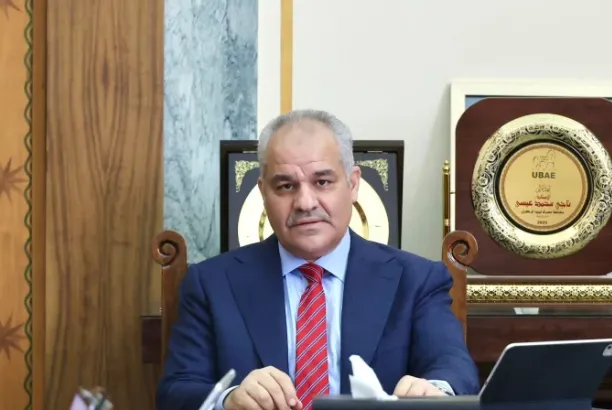
Advisor Mustafa Al‑Manea wrote that Saudi Arabia’s issuance of international bonds is a clear indicator of economic development.
At a time when the economies of many countries rely on oil as a sole source of national income, a pattern that has persisted for decades, such dependence has rendered those economies fragile, rent-based, and limited in income sources. These rentier economies have negatively affected all aspects of life: industry, agriculture, and tourism have declined; creativity and innovation have waned; educational outcomes have become traditional and disconnected from labor-market needs; the role of the private sector has shrunk; and public employment has become the primary destination for youth. With the state acting as the sole patron and the economy remaining closed, these economies have become vulnerable to shocks whenever oil production or global prices decline, resulting in chronically distorted public finances in both revenues and spending.
By contrast, the Kingdom of Saudi Arabia, one of the world’s leading oil producers and exporters—has demonstrated genuine indicators of the maturity of its fiscal policy, the liberalization of its economy, and its commitment to strengthening global market confidence.
Days ago, the National Debt Management Center announced the completion of the first U.S. dollar-denominated international bond issuance of 2026 under the Kingdom’s International Government Bond Program, with a total value of $11.5 billion. This issuance reflects a clear shift toward more liberal and professional public-finance management, grounded in market instruments and fiscal discipline.
Strong International Demand as a Signal of Confidence
The issuance recorded strong demand from international investors, with total subscription orders reaching approximately $31 billion, representing 2.7 times coverage of the offer. This directly signals global market confidence in the strength of the Saudi economy and its ability to meet financial obligations, as well as the attractiveness of the investment opportunities it offers.
Structure of the Issuance and Its Significance
The bonds were issued across four tranches of different maturities, allowing investors to choose instruments aligned with their strategies and giving the Kingdom flexibility in managing public debt:
- 3-year tranche: $2.5 billion (maturing 2029) — short-term bonds providing higher liquidity for investors and helping meet immediate financing needs.
- 5-year tranche: $2.75 billion (maturing 2031) — medium-term bonds balancing stable returns with risk management.
- 10-year tranche: $2.75 billion (maturing 2036) — long-term bonds offering fixed, long-term returns and supporting long-range financial planning.
- 30-year tranche: $3.5 billion (maturing 2056) — very long-term bonds used to finance strategic and developmental projects, demonstrating the Kingdom’s long-term commitment and sustainable debt management.
This diversification reflects an advanced public-debt strategy that balances varied financing needs, maintains high flexibility in global debt markets, and ensures a diversified investor base.
Conclusion
The success of this international issuance is not merely a financing operation; it is an inspiring experience that offers a model for other countries to break away from single-source economies, create a stable and attractive investment environment, diversify for the future, and transition toward a sustainable economic model.
The author, Advisor Mustafa Al-Manea, is a Libyan lawyer and legal and economic expert with over 24 years of experience. He has worked with a number of investment institutions, sovereign wealth funds, and banks in Libya and internationally. He also serves as an expert for international research centers and worked for years as an advisor to the Governor of the Central Bank of Libya. Al-Manea has chaired and participated in multiple executive teams at the Central Bank, including the Exchange Rate Committee, the Contingency Plan Team, the Audit Team, the Confidence Restoration Team, and the Cyber Team to create a legislative framework for digital transformation. He is a board member of both the Libyan Investment Authority and the Libyan Foreign Bank, and has represented Libya in meetings at the World Bank and the International Monetary Fund. He also leads the executive team for the Prime Minister’s initiatives and strategic projects. Al-Manea has worked as an expert and lecturer with the American Bar Association, is a certified member of the European Lawyers Association, and a member of the Libyan-American Council for Trade and Investment. He has published numerous research papers and articles in Arab, American, and European newspapers, and is known for his bold views on economic and financial transformation issues.