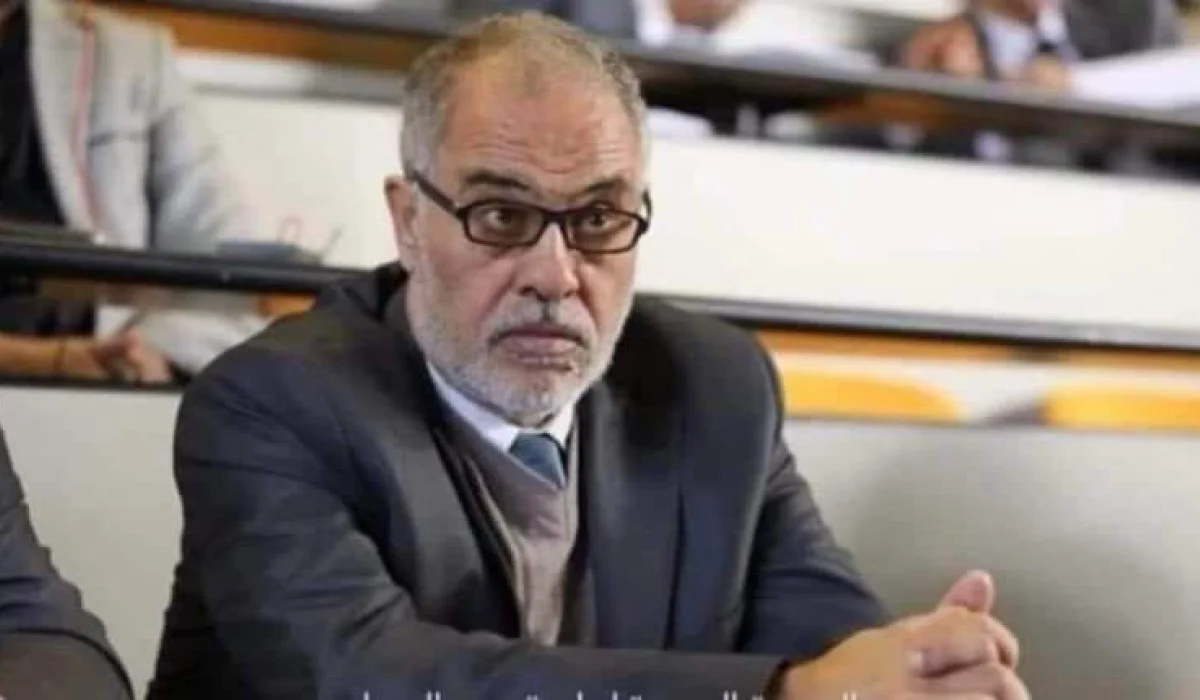
Ali Al-Sharif, an economics professor at the University of Benghazi, said that financial inclusion in Libya has witnessed clear development over the past three years, particularly during 2025 and 2026. He credited the Central Bank of Libya with making significant progress in this area, considering that it is one of the key areas that falls largely within the scope of its responsibilities.
After the Libyan economy relied heavily on cash transactions between 2014 and 2016, signs of financial inclusion gradually began to emerge, although they were initially limited.
Since 2024, this development has gained greater momentum, particularly with the expansion of electronic payment methods and modern banking services.
During 2025 and 2026, banking payments recorded notable growth, with citizens and institutions increasingly using electronic methods instead of relying entirely on cash.
This shift is important because it helps reduce the cash-based economy and enhances oversight and transparency in the movement of funds.
The value of electronic payments is expected to continue rising and could reach approximately one trillion dinars by the end of 2026 if growth continues at current rates.
This is considered one of the most significant developments achieved in the banking sector in recent years, and it should be maintained and further developed.
As for the exchange-rate issue, the Central Bank’s success in maintaining stability has been more challenging, as there are many factors beyond its direct authority.
Among the most important of these factors are the significant increase in public spending, the accumulation of public debt, the scarcity of revenues, and the instability of public finances. These factors continue to place pressure on the exchange rate.
Therefore, it is important to distinguish between areas in which the Central Bank can have a direct impact, such as financial inclusion and payments, and issues that require broader financial and economic measures in order to achieve more sustainable results.
He also stressed that the Central Bank should focus on letters of credit and monitor them closely in order to identify fraudulent letters of credit, as well as those that receive the lion’s share at the expense of others who may have legitimate claims and genuine business activities.