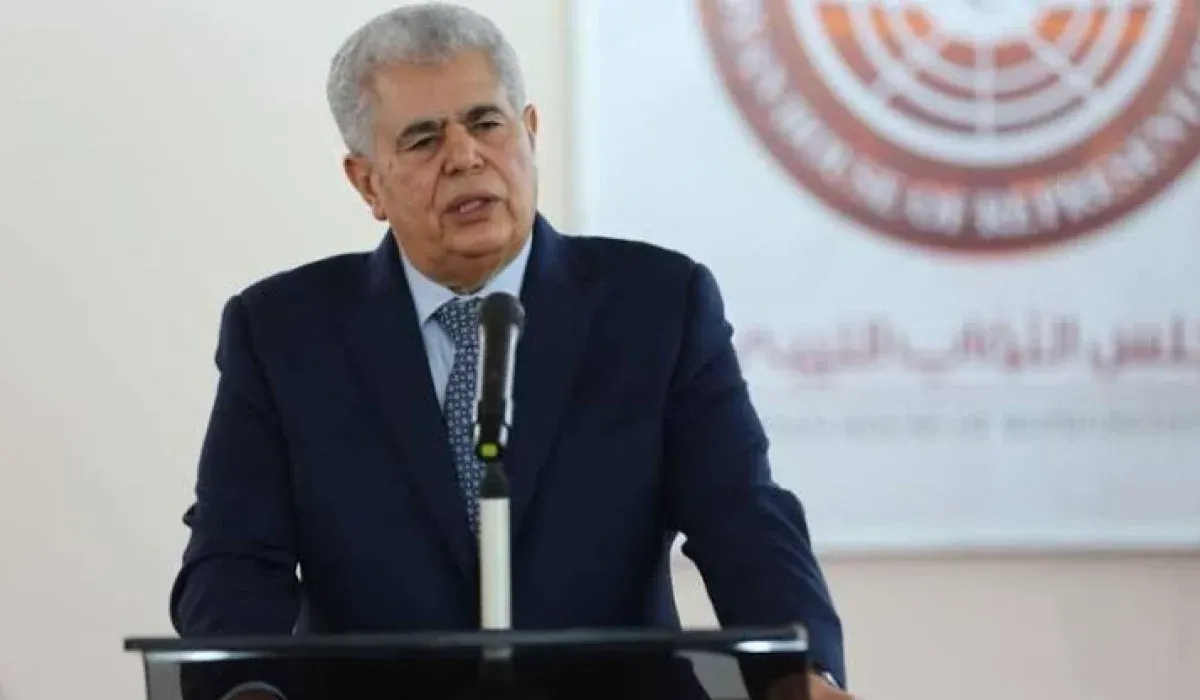
Banking expert Mohammed Al-Shukri said that public debt cannot be paid off before it is reviewed by impartial and competent accounting, financial, and legal experts, and before it is sorted and classified into expenditures that can be accepted according to agreed-upon standards of the current phase. As for the other portion, it consists of fictitious or inflated expenses that cannot be justified; these must be subjected again to verification and scrutiny, then referred to the legislative authority to take whatever measures it deems appropriate, including referral to the competent judicial authorities.
Al-Shukri added that the final figure should be determined after recovering what can be recovered from funds spent without legal justification. At that point, the government—by agreement with the Central Bank—can request that the legislative authority legalize this debt by issuing legislation that sets a strategy for extinguishing it, either by allocating 5% of total annual oil sales for several years, or by revaluing the foreign assets of the Central Bank of Libya as stipulated by the Banking Law of 2005.
He continued by saying that the fee on foreign currency sales, estimated at 53 billion dinars, is in fact a tax paid by traders and ultimately borne by Libyans for what they imported, and it was reflected in the sharp increase in prices of imported goods in the market. For the first time in Libya’s history, the Libyan citizen—like those in developed countries—can stand tall and say, “I am a taxpayer,” and therefore deserves a good quality of life.
Al-Shukri concluded by saying that Libyans have the right to demand that these amounts—the collected tax/fee—be positively reflected through spending to improve quality of life in education, health, housing, and public utilities. He warned against using this tax, paid by the Libyan people as a whole in the form of a fee, as dumping grounds to bury the remnants of corruption under the pretext of paying off public debt, stressing that it is “a word of truth intended for falsehood”… so beware.