| Economic articles
Al-Zantouti: “Who Is Behind the Rise in the Dollar Despite Its Increased Supply?”
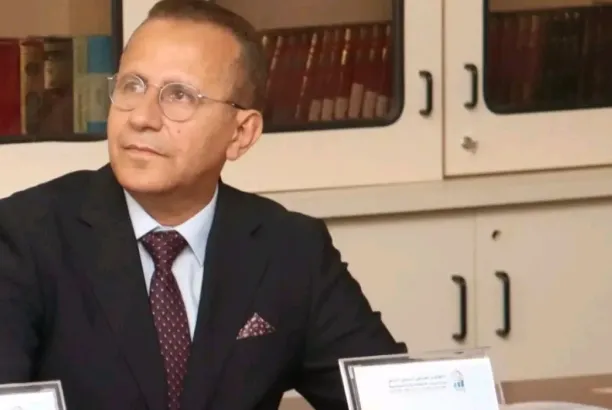
Written by financial analyst Khaled Al-Zantouti
At a time when the personal-purpose system was opened and many credits were also made available (a large portion of which, I believe, is left as cash in the accounts of some of our traders, may God forgive them, to be deposited into their dollar accounts abroad or partially supplied to the Al-Mashir and Venice markets), as well as the recent organization and operation of exchange companies, I would have expected all this to contribute to an increased supply of dollars.
According to the laws of supply and demand, an increased supply (under normal conditions) should contribute to lowering the dollar price against the dinar. Unfortunately, what has actually happened is that the dollar value in the parallel market has risen sharply in recent days!
The harsh truth is that we are in a special case that does not respond to economic data according to standard economic theories. Instead, we have variables and conditions unrelated to finance or economics, which no central bank could manage, even if all monetary policy tools were deployed to address Libya’s unique situation.
The most important factor is money laundering. Here, people demand dollars at any price to launder their embezzled funds. Therefore, no matter how much the supply increases, the corrupt are ready to absorb it at any price, transferring it to Turkey, the UAE, or possibly many other countries.
Another reason may be the presence of an (unofficial organization) that buys dollars at any price and in any quantity to settle obligations for services, goods, or even projects on behalf of companies or possibly foreign states.
Another factor is speculation, where some currency traders attempt to make a profit through buying and selling.
Lastly, there are holders of fictitious credits who seek the highest possible price for their (corrupt) dollars to buy fixed assets in Libyan dinars and strengthen their control over the local real estate markets.
While I sympathize with those genuinely in need of dollars for purposes like medical treatment, I see that all other groups, who acquire dollars at any price, are the ones driving the dollar upward and should be subject to justice and the law.
The question here is: can the central bank alone confront these factors and the groups benefiting from the rising dollar? Certainly not. This requires the combined efforts of ministries and institutions related to economic, commercial, financial, and security matters to fight corruption and its enablers. The problem is not with a simple citizen seeking dollars to treat his child; the problem lies with those rushing to acquire dollars at any price to launder their corruption, theft, and transfer their funds abroad.