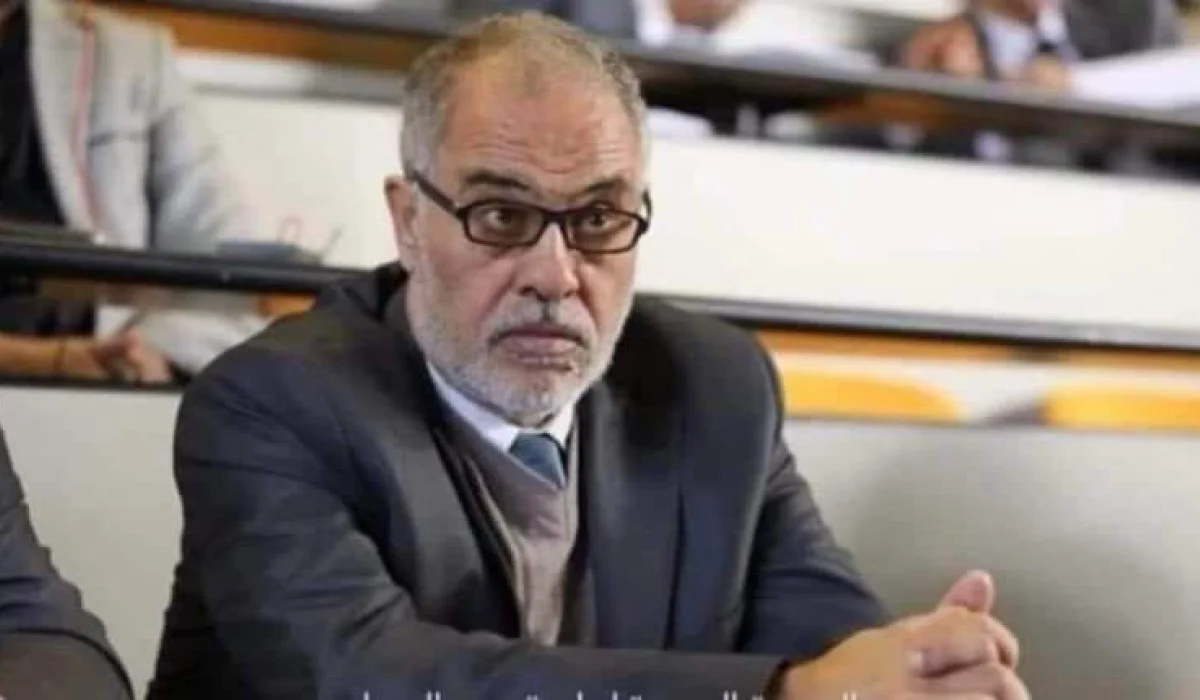
Written by: Benghazi University Economics Professor Ali Al-Sharif
Constructive criticism is one of the most important means of helping decision-makers improve their policies, correct their course, and achieve the desired goals. Therefore, criticism of the performance of public institutions should be viewed as part of the reform process, rather than as a negative stance toward them.
In this context, a number of economists have criticized the performance of the Central Bank of Libya regarding the publication of public finance data, on the grounds that the original entity responsible for preparing and publishing such data should be the Ministry of Finance. The publication of incomplete data relating to only one government has also been criticized, as this has resulted in some indicators presenting a picture that does not reflect the actual financial situation of the Libyan state. One such example is the appearance of a surplus in some data, at a time when everyone knows that public finances are suffering from a significant deficit and a growing accumulation of public debt.
There is no doubt that publishing incomplete or partial data may negatively affect numerous economic and financial indicators and may also lead to inaccurate results and analyses, particularly when researchers and analysts rely on such data to develop their studies and assess Libya’s economic situation.
Nevertheless, the Central Bank of Libya continued to issue these reports before suspending their publication last month. Following communication with the Central Bank, it was confirmed that it is currently in contact with the governments to obtain the complete and required financial data, allowing it to prepare reports that reflect the country’s economic and financial reality more accurately and transparently, away from incomplete data that could lead to incorrect conclusions and analyses.
We hope that the Central Bank of Libya will be able to obtain the complete data as soon as possible and that this data will be suitable for analysis and accurately reflect the country’s actual financial and economic situation.
Ultimately, the fundamental solution to this issue lies in reaching a unified government and unified financial institutions, with the Ministry of Finance serving as the entity responsible for preparing and publishing public finance reports, while the Central Bank of Libya carries out its role within the scope of its legal mandates. This would put an end to overlapping jurisdictions, ensure the unification of data sources, and enhance the transparency and credibility of the country’s financial and economic statistics.