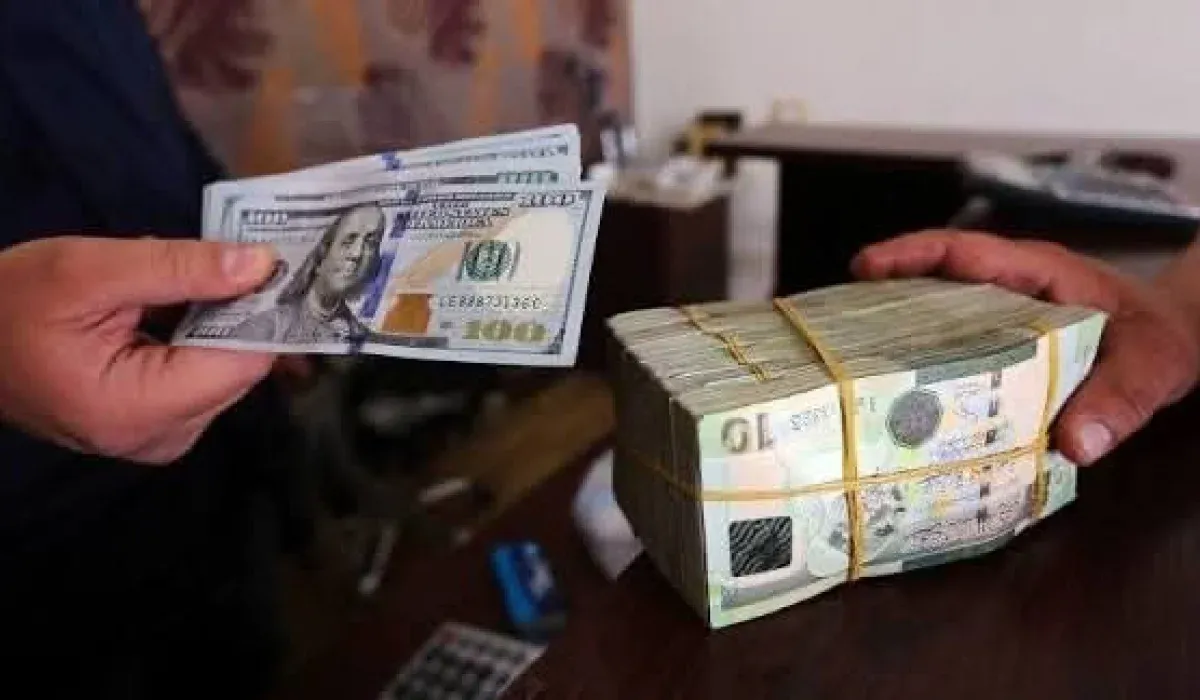
A number of analysts and market influencers believe that the Central Bank of Libya’s decision to activate the sale of foreign currency through exchange offices, despite its importance, still requires deeper institutional handling to ensure its success and to avoid repeating past failures.
Analysts stress that the core problem does not lie in the exchange offices themselves, but rather in flaws within the current financial cycle related to foreign-currency cards, which has produced a network of intermediaries and high commissions. This has led to a large portion of foreign currency leaving the official banking system and has created a favorable environment for the parallel market to flourish.
According to the analysts, citizens have become compelled to obtain their allocations through informal channels and at high commissions, amid weak oversight and multiple layers of intermediation. This has negatively affected market transparency and undermined the Central Bank’s ability to control foreign-currency flows.
The analysts warn that handing over the foreign-currency sales file to exchange offices in its current form carries real risks, most notably weak operational readiness in many cities, a lack of qualified staff, high costs, and low confidence in the continuity of monetary policies. These factors could lead to the failure of the experiment at the first wave of complaints or violations.
They argue that a practical solution lies in fully reengineering the financial cycle by enabling citizens to reserve their allocations electronically and choose the exchange office, while ensuring that all transfers between banks, exchange offices, and companies take place within the official banking system and with clear commissions. This would keep foreign currency within the banking system, reduce the role of the parallel market, and separate citizens from speculative activity.
Analysts also emphasize that addressing the parallel market cannot be achieved without a direct and effective role for the Central Bank of Libya in managing the exchange rate. This includes acting as an active market regulator, pricing the dollar for exchange offices at a rate close to the parallel market while imposing a variable tax whose revenues return to the state treasury, and injecting currency according to supply-and-demand mechanisms to curb price spikes and speculation.
They conclude by stressing that current calls to restrict imports exclusively to full bank payments are impractical, given limited payment instruments and weak operational readiness of banks. Eliminating the parallel market, they assert, cannot be achieved through administrative decisions alone, but rather by addressing its real causes, conducting a precise assessment of the financial cycle, and organizing the roles of banks and exchange offices within a clear and stable monetary policy.