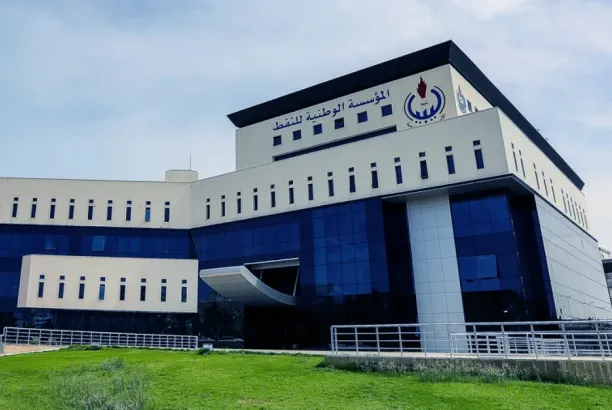
Our source has exclusively obtained an internal letter from the National Oil Corporation (NOC) revealing a crisis involving two crude oil cargoes. According to the correspondence, Holborn requested the cancellation of a cargo of Sarir/Messla crude that was scheduled for loading between June 28 and 29. However, the NOC rejected the request and instructed the company to proceed with the shipment. Although Holborn initially nominated a tanker to load the cargo, it withdrew the nomination the following day and refused to take delivery. Meanwhile, the field operator warned that production would have to be suspended if the tanker did not arrive by June 28 at the latest.
According to the correspondence, TPIC also requested first to postpone and then to cancel a cargo of Abu Attifel crude. The NOC likewise rejected the request, stressing that the company remains obligated to execute the shipment according to the agreed loading schedule.
The correspondence further states that the NOC’s management attempted to remarket both cargoes to alternative buyers at the official selling prices. However, the only offers received came from Unipec, seeking a discount of US$9 per barrel, and ENI, requesting a discount of US$5 per barrel, reflecting downward price pressure in the current market.
The letter also notes that coordination took place with the operators of the Mellitah and Zueitina fields to explore temporary storage options. In addition, Saras agreed to bring forward the loading date of its cargo from June 27–28 to June 25, while a new cargo of 1–2 million barrels was scheduled for early July. The NOC described these measures as efforts to “overcome this crisis.” The corporation also emphasized that any losses resulting from the failure to execute scheduled cargoes would be borne by the companies concerned, reiterating that cargo cancellations are “not permitted under any circumstances” at this stage of the loading program.