


| News
International Monetary Fund: Rising Oil Prices Are Both an Opportunity and a Risk… and These Are the Benefits of Exchange Rate Depreciation
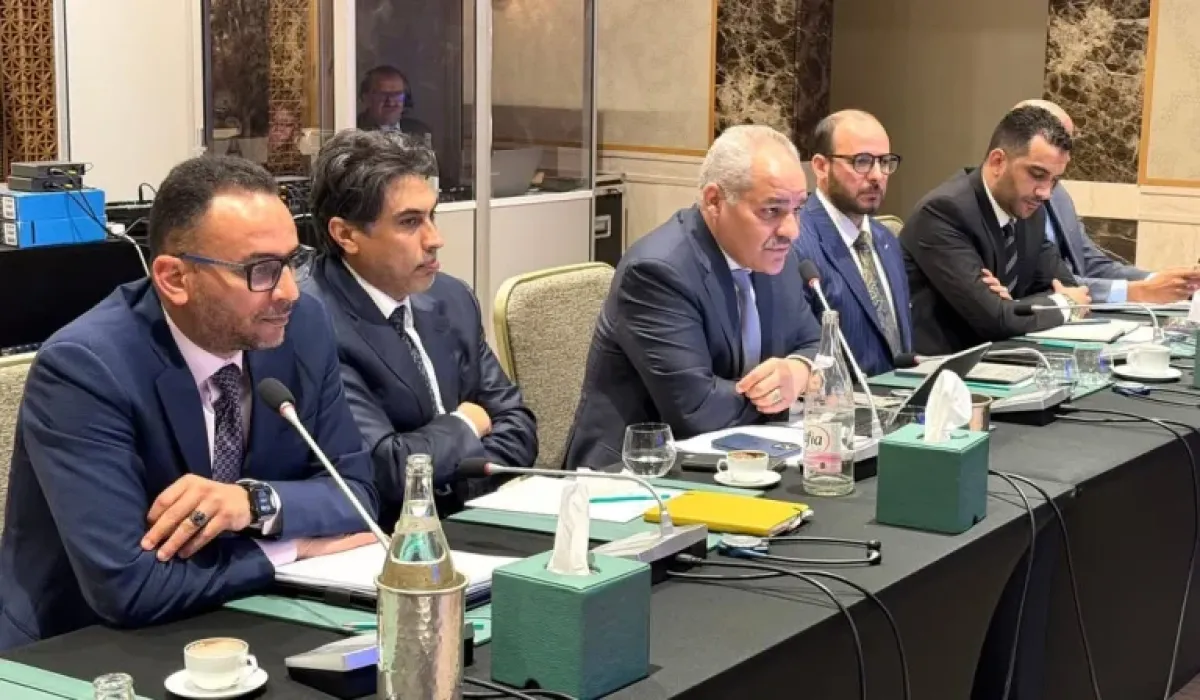
The International Monetary Fund mission issued its concluding statement for the 2026 Article IV consultations with the Libyan authorities, held from March 30 to April 8, 2026 in Tunisia. The statement included:
- Libya has significant economic potential supported by its vast hydrocarbon wealth, its strategic location in the Mediterranean, and an underutilized private sector. If resources are managed wisely and efficiently, and the economy is diversified, this could form a strong foundation for sustainable and inclusive economic growth and macroeconomic stability.
- However, the current macroeconomic situation reflects the opposite, with significant risks in the balance of payments and negative impacts on the population. Public spending has expanded beyond sustainable levels, with the fiscal deficit reaching around 30% of GDP in 2025. Public debt has nearly doubled over the past two years to reach 146% of GDP. Despite two currency devaluations since April 2025 and continued foreign currency sales, the gap between the official and parallel exchange rates remains large, reflecting high demand for foreign currency. These pressures have led to double-digit inflation, weakening purchasing power and lowering living standards. Part of the adjustment burden has also been placed on the private sector through credit restrictions.
- Looking ahead, without meaningful fiscal adjustment, current policies will become unsustainable. Continued reliance on exchange rate depreciation, administrative measures, and reserve depletion will lead to high inflation, erosion of reserves, market distortions, and weakened private sector activity.
- In this context, rising oil prices represent both an opportunity and a risk. Taking advantage of this opportunity requires saving additional oil revenues and implementing fiscal reforms. Using these temporary revenues to increase spending would heighten risks and lead to more severe economic consequences when oil prices decline.
Outlook and Risks
- The economy is expected to continue growing in the near term, supported by government spending, but this path is unsustainable. Continued high spending will increase pressure on the exchange rate and lead to reserve depletion, which could reach critical levels in the medium term, while inflation remains elevated.
- Risks are heavily tilted to the downside, such as disruptions in oil production, falling oil prices, or increased spending. These factors could accelerate reserve losses, inflation, and erosion of purchasing power. On the other hand, conditions could improve through saving oil revenues, rationalizing spending, and productive investment.
Fiscal Policy
- Fiscal consolidation remains the main solution to restore stability through:
- Increasing non-oil revenues via tax and customs reforms.
- Rationalizing spending, particularly energy subsidies (around 20% of GDP) and wages (30%).
- Productive investment based on transparent plans.
- Preparing a credible medium-term budget is essential, along with improving its execution and liquidity management.
- Weak transparency in the eastern region’s budget undermines accountability and affects the efficiency of resource use.
Monetary Policy and Exchange Rate
- Bringing the official exchange rate closer to its real value helps reduce corruption, but cannot replace fiscal reform.
- Developing monetary policy tools and strengthening central bank independence is essential.
Financial Sector
- Steps have been taken to strengthen financial supervision, such as preparing financial stability reports.
- Financial inclusion has improved through digitalization and addressing liquidity shortages.
- Despite this, financing remains limited due to credit constraints.
Structural Reforms and Governance
- Reducing reliance on oil requires:
- Combating corruption and strengthening governance.
- Improving the business environment.
- Labor market reform.
- Restructuring state-owned enterprises.
- Enhancing anti-money laundering and counter-terrorism financing systems is essential.
Capacity Building
- Developing institutional capacity is crucial to support reforms, along with improving data quality.
The next consultations are expected to take place in spring 2027. The mission also thanked the Libyan authorities for their cooperation and constructive discussions.


