| Reports
International Report: Oil Recovery Drives Libya’s Economy… but Current Spending and the Absence of a Budget Threaten Sustainability
An international report by the World Bank has revealed Libya’s recent economic developments, with key findings pointing to a strong yet fragile recovery in economic performance, alongside the persistence of institutional imbalances.
Economic Recovery
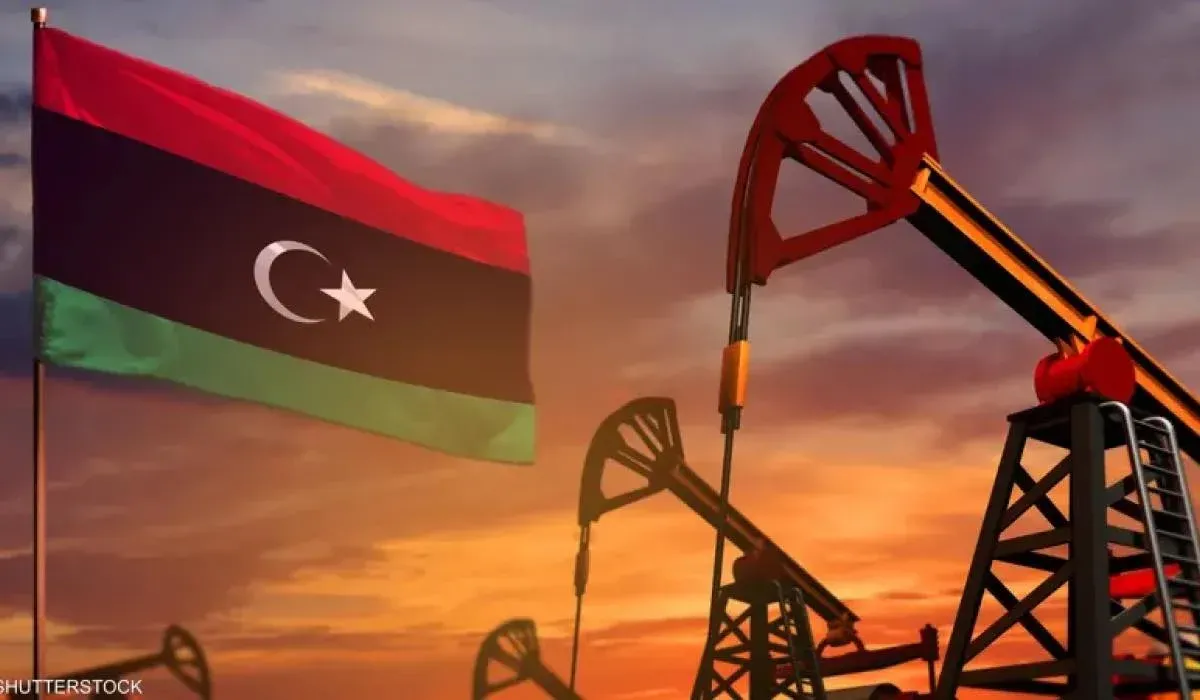
Libya’s economy has witnessed a strong rebound in GDP, driven mainly by the recovery and expansion of the oil sector. Oil production increased during the first nine months of 2025, averaging 1.3 million barrels per day, a year-on-year rise of 17%. Non-oil sectors also remained resilient, supported by both public and private consumption.
Fiscal Improvement (with Spending Structure Distortions)
The fiscal surplus of the Government of National Unity expanded to 3.6% of GDP during the first nine months of 2025. This improvement is attributed to higher oil production and the devaluation of the Libyan dinar in April 2024, which boosted hydrocarbon revenues by 33%. However, public spending continued to rise, driven by increases in wages and subsidies, while capital expenditure declined sharply—indicating a shift in spending toward current expenditures.
Institutional Fragmentation and the Absence of a Unified Budget
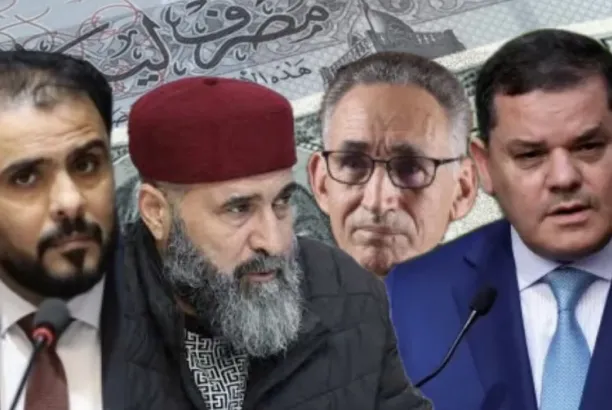
The political landscape remains stalled due to entrenched rivalries between the Government of National Unity and the Government of National Stability based in eastern Libya. The failure to approve a unified national budget for 2025 reflects ongoing political divisions, undermining macro-level public financial management, limiting transparency, and weakening fiscal discipline.
Monetary Concerns
Despite curbing the growth of the money supply (M2), cash in circulation outside the banking system continued to rise by 8.9%, reflecting persistent weak public confidence in the banking system. The gap between the official and parallel exchange rates also widened significantly during the first three quarters of 2025.
Outlook and Risks
Economic prospects appear positive but remain highly dependent on political stability and global energy markets.
Strong Growth Expected
Real GDP growth is expected to reach a robust 13.3% in 2025, driven primarily by the expansion of oil sector activities. Growth is projected to slow in 2026 and 2027 as oil production stabilizes.
Fiscal and External Positions
The fiscal position is expected to improve further, with the fiscal surplus reaching 3.8% of GDP in 2025. The current account deficit is also expected to narrow, with a potential return to a surplus of 3% by 2027.
Key Risks
The outlook faces significant downside risks stemming from continued political fragmentation, institutional divisions, and the absence of a unified national budget. Externally, risks include a sharper-than-expected global slowdown or further declines in oil prices. The most pressing long-term challenge remains economic diversification and reducing dependence on hydrocarbons.
Special Focus on Public Financial Management (PFM)
This section reviews the challenges and proposed pathways for reforming public financial management:
Areas of Weakness
The combination of institutional fragmentation, parallel budget structures, and heavy reliance on oil revenues hampers sound public financial management and leaves fiscal planning vulnerable to external shocks. Applying the Public Expenditure and Financial Accountability (PEFA) framework reveals shortcomings in Libya’s PFM system—particularly in budget preparation, execution, and reporting—when compared with other fragile and conflict-affected states.
Key Reform Priorities
Libya’s reform agenda, developed in cooperation with the World Bank, focuses on three core areas:
- Establishing a Treasury Single Account (TSA) to consolidate and manage government cash resources.
- Implementing an enhanced cash management function.
- Revising the current budget classification and Chart of Accounts (BC–CoA).
Condition for Success
The successful implementation of these reforms depends critically on political consensus and institutional cooperation among key stakeholders, particularly the Ministry of Finance, the Central Bank of Libya, and the broader banking sector.
The World Bank concludes that the ongoing PEFA assessment represents a pivotal opportunity for the Government of National Unity to review and refine its reform agenda, move from technical design to securing the necessary political and institutional support, and build a more transparent and resilient public financial management system.