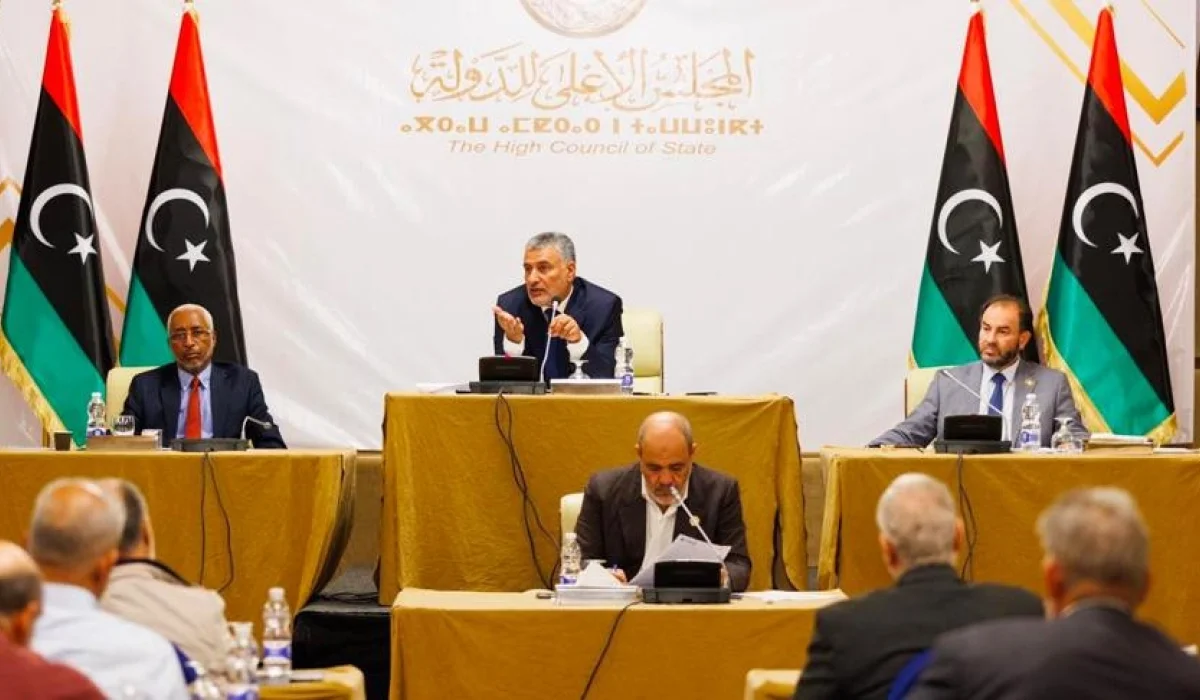
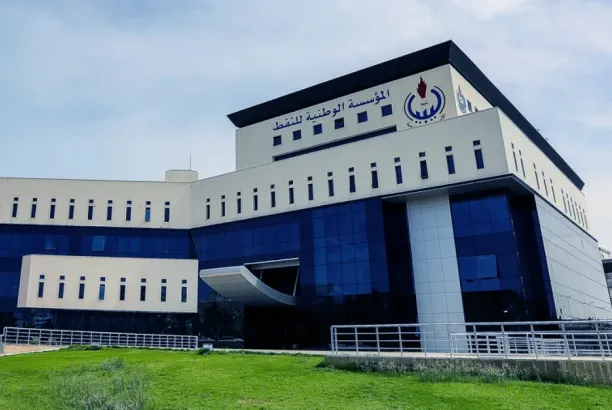
Our source has exclusively obtained copies of complaints submitted by the National Consensus Bloc in the High Council of State to oversight and judicial authorities, in which they demand the suspension of the Arkenu contract.
According to what was stated in the complaints, in what they described as a serious precedent and declared corruption, the Government of National Unity granted a license to a private company (Arkenu) to operate in the oil sector, in violation of Libyan legislation and in pursuit of narrow interests of two families allegedly attempting to impose their will on the Libyan people by exploiting the country’s money and resources to expand their influence and impose their authority as a fait accompli.
They also stated that, based on the national duty to safeguard the country’s resources and combat corruption, members of the National Consensus Bloc in the High Council of State filed an administrative appeal before the Zawiya Court of Appeal against Decision No. 544 of 2023, issued by the Prime Minister of the Government of National Unity, which granted the license to Arkenu.
Despite the appeal being filed in July 2025, the delay in ruling on the case, according to the complaint, indicates the scale of pressure being exerted on the judiciary to prevent the issuance of a ruling that would protect the national interest.
The statement added: “In this regard, we place you before your responsibilities as the legislative authority responsible for monitoring and overseeing the executive authority, directly and through the oversight bodies affiliated with you. We call on you to take urgent measures to reveal the facts related to Arkenu and stop its apparent plundering, reflected in the decline of oil revenues.”
The statement also referred to the report of the United Nations Panel of Experts on Libya and several international reports as evidence supporting these concerns.