When Libyan oil appears in the hands of entities surrounded by suspicion, the issue is not merely about resource management, but reflects a deep flaw in the system of oversight and governance.
In Libya’s case, where the economy depends almost entirely on oil revenues, any mismanagement of this sector directly impacts the state’s financial stability and the lives of its citizens.
“Arkenu” has emerged in this context as an example raising serious questions among public opinion—not simply as a company operating in the sector, but as a symbol of broader concerns related to weak transparency and overlapping interests. The issue here is not investment itself, but how it is carried out: is it done within clear legal frameworks and under official supervision, or through opaque arrangements that sideline the state and weaken its control over its most important sovereign resource?
What makes this issue even more sensitive is its direct impact on oil revenues, which form the backbone of the national budget. Any mismanagement—whether through parallel channels or unclear deals—means potential losses of billions that should have been directed toward development, improving services, and supporting economic stability.
What is required today is not merely to spark debate, but to push for full transparency in everything related to the oil sector: who grants licenses, how contracts are managed, and where revenues go. Protecting this wealth is not only about the present, but about the future of entire generations.
Any leniency toward entities operating outside transparency and legitimacy—regardless of the justification—may be interpreted as implicit acceptance of the continued depletion of the country’s most vital resources.
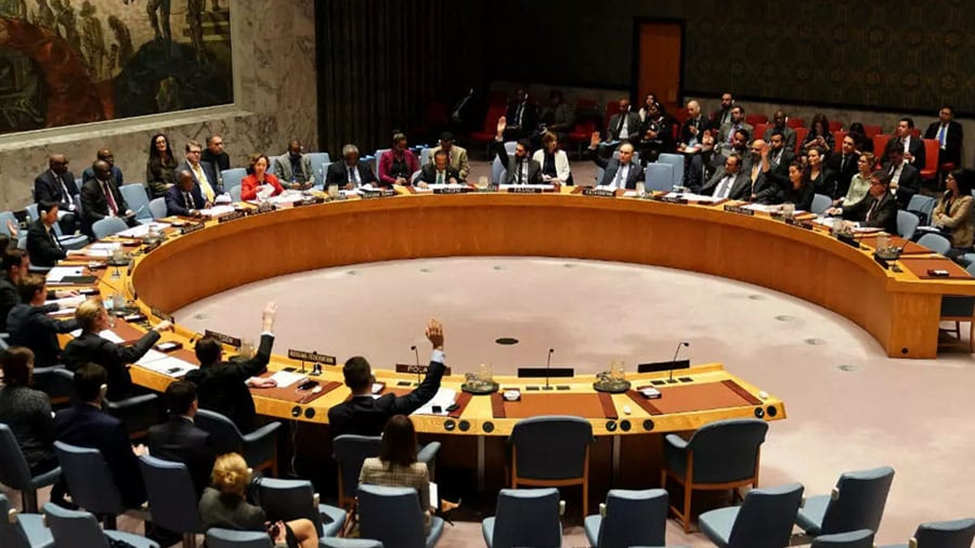
A report by the UN Panel of Experts revealed the involvement of Rifaat Al-Abbar in influencing decisions within the National Oil Corporation in favor of Arkenu, as well as the transfer of more than $3 billion in oil revenues to accounts outside Libya.
In addition to contractual violations and breaches of Libyan law in the management of the oil sector, production has declined despite alleged investments. There have also been illegal exports of oil and petroleum products through ports such as Benghazi and Tobruk, along with smuggling via maritime tankers, the gray market, and containers.
Shipments have reportedly reached Egypt, Turkey, the UAE, Syria, Malta, Spain, and Greece, through an organized criminal network led by Moein Ali Sharaf al-Din, involving both Libyan and foreign nationals. This network has used front companies, forged documents, and money laundering, with the involvement of elements linked to ports under armed influence, as well as accusations of maritime piracy and fuel smuggling.
Data from the Central Bank of Libya also revealed a sharp and alarming decline in revenues transferred from the National Oil Corporation, with total revenues since early December 2025 amounting to only $1.019 billion. This comes amid renewed doubts and controversy surrounding “Arkenu,” which entered as a partner in the production and sale of Libyan oil without its operations being reflected as revenues in the state’s general budget.
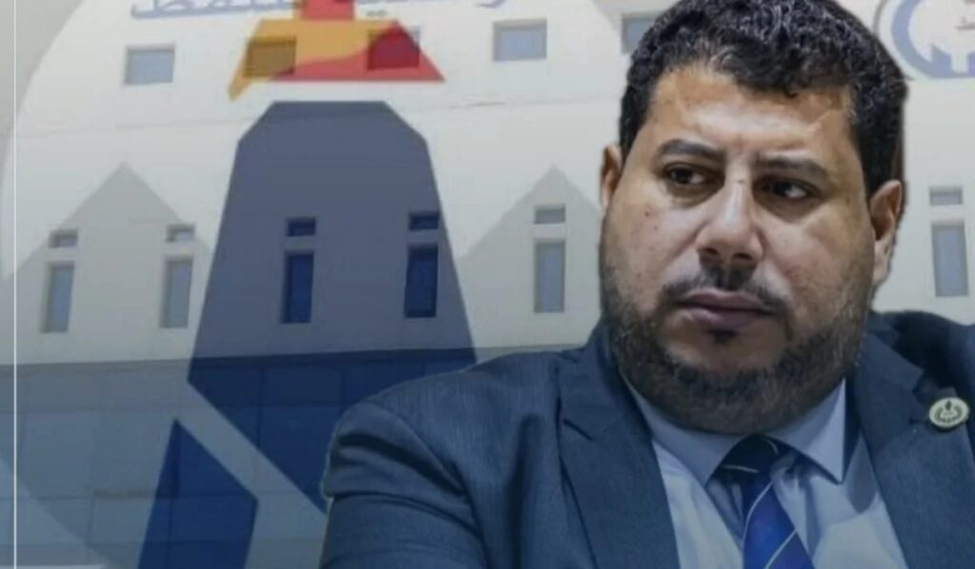
Arkenu is considered one of the most ambiguous and controversial cases in Libya’s oil sector. Prime Minister Abdulhamid Dbeibah has been unable to announce the results of the investigation related to the company or halt its activities, despite the widespread uproar that accompanied its entry into the sector.
The ambiguity is not limited to a lack of transparency; it is further reinforced by the company’s apparent backing from influential authorities in both western and eastern Libya, alongside strong defense from National Oil Corporation Chairman Masoud Suleiman and acting Oil Minister Khalifa Al-Sadiq. This raises serious questions about the nature of this political protection, the limits of accountability, and the reasons behind the company’s continued operation without clear oversight.
Since 2023, Arkenu has emerged as a rising partner in Libya’s oil sector, beginning its operations in fields related to the Arabian Gulf Oil Company. However, successive financial reports from the company have shown a clear deterioration in its financial position, contradicting claims of increased production, whether in its own fields or in other subsidiaries of the National Oil Corporation.
Despite this stark contradiction, the National Oil Corporation continues to justify weak revenue transfers to the public treasury by citing insufficient budget liquidity—repeating explanations that have come under widespread skepticism.
In this context, Dr. Abu Bakr Abulqasim, Head of the Accounting Department at the Libyan Academy, stated that nearly three-quarters of oil revenues are lost within what he described as a “drain” called the National Oil Corporation, referring to it as a “black hole” that has been manipulating the country’s revenues for years. He emphasized that the continuation of this situation enables influential figures to take their share at the source, constituting a full-fledged economic crime carried out in plain sight of oversight and judicial bodies.
For his part, oil expert Othman Al-Hadiri warned that the National Oil Corporation has turned into a tool of political conflict, threatening its stability, undermining its developmental role, and weakening confidence in it both locally and internationally.
He stressed that rescuing the sector requires clear policies for developing oil fields, reforming resource management, and achieving institutional stability—away from opaque deals and political tensions.
In July 2025, Arkenu organized a conference to introduce itself and its activities. Its representatives stated to our source that the company is fully Libyan, operates within the private sector, and seeks to cooperate with local and international partners to support the Libyan economy and ease the burden on the state budget.
They indicated that their vision is to invest in Libyan expertise in the oil sector and increase production through advanced and fast-implementation solutions, noting that “the private sector is more flexible than the public sector and has the ability to open new horizons for growth, in compliance with Libyan laws and in support of national human resources.”
They also revealed that the company currently employs 200 people, having started with a team of no more than two individuals, adding: “In less than 10 months, we succeeded in raising production to 43,000 barrels per day, which is a significant achievement for a startup in the Libyan market,” according to their statement.
They confirmed that, despite rumors, the company includes qualified Libyan youth and, with the support of national businessmen, aims solely to increase production through national expertise, away from any other agendas.
The Panel of Experts report also stated that Arkenu’s contract was implemented in a way that undermined the National Oil Corporation’s oversight and enabled large-scale illegal exports. Despite contractual obligations to invest, only a small portion was implemented, and the contract was amended in favor of the company, allowing exports beyond agreed limits. These operations contributed to strengthening the military capabilities of armed groups and threatening Libya’s political stability.
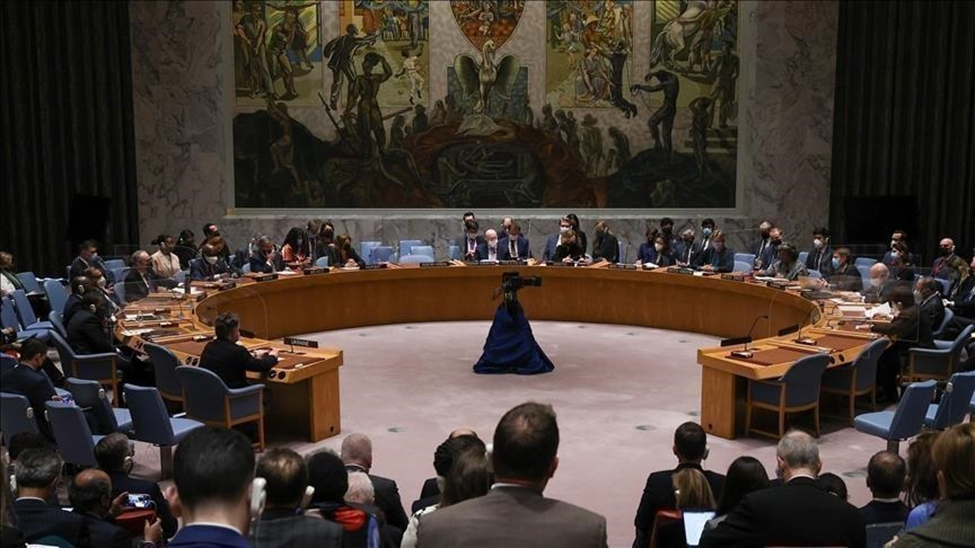
The report revealed that Libyan oil was exported covertly and illegally to several cities and countries, either through tankers linked to criminal networks or via flexible containers.
It further stated that illicit maritime exports continued uninterrupted and expanded across several ports outside the control of the National Oil Corporation. Covert shipments were identified using concealment techniques, ship-to-ship transfers, and storage in Egypt, alongside gray market exports using forged documents. Diesel was primarily sold as marine fuel, with shipments reaching Egypt, Somalia, Sudan, South America, Syria, Turkey, and the UAE.
The report added that this included exports to Greece, Egypt, Belgium, Germany, Spain, and Malta. Products were also exported via containers to Syria, Turkey, and the UAE with falsified cargo descriptions, while shipments to the UAE were transported on vessels linked to smuggling networks.
In the same context, Prime Minister Abdulhamid Dbeibah instructed the Chairman of the National Oil Corporation, Masoud Suleiman, to terminate the development agreement between the Arabian Gulf Oil Company and Arkenu. This came amid the exploitation of the issue through the spread of rumors, exaggeration of figures, and political manipulation by certain parties benefiting from the ongoing controversy and the Corporation’s inability to present an adequate defense—ultimately diverting attention from the real causes of the economic crisis, foremost among them the growing public debt resulting from unchecked parallel spending exceeding 300 billion dinars outside the framework and capacity of the state’s general budget.
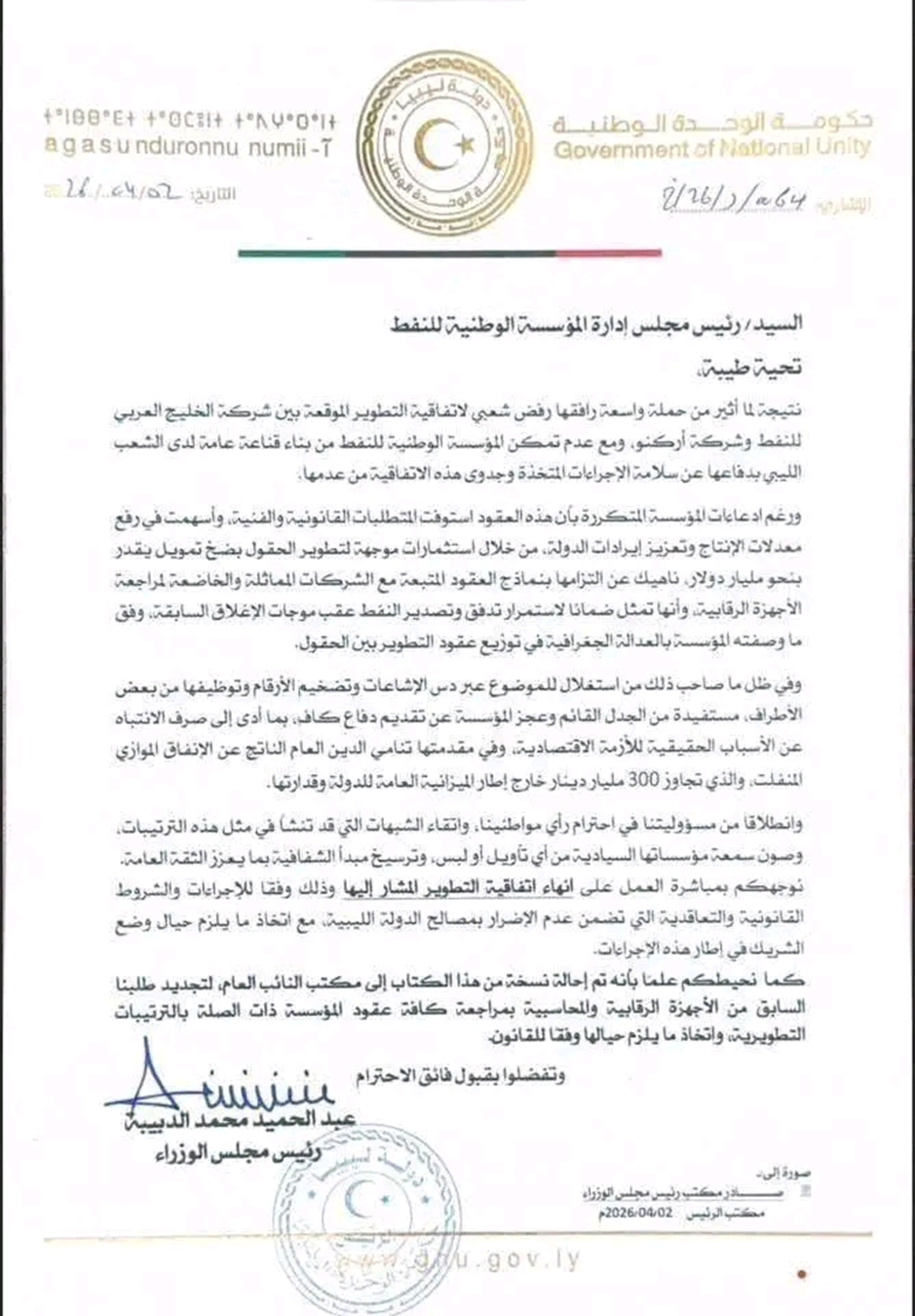
Dbeibah added: “A copy of this letter has been referred to the Office of the Attorney General to renew our previous request for oversight and auditing bodies to review all contracts of the Corporation related to development arrangements and to take the necessary legal action accordingly.”
It is worth noting that the Panel of Experts report revealed the inability of state institutions, including the National Oil Corporation and Brega Company, to monitor or control crude oil exports and revenues, as well as fuel imports, distribution, and consumption. The report also stated that Arkenu’s contract was implemented in a way that undermined the National Oil Corporation’s oversight and enabled large-scale illegal exports. Despite contractual obligations to invest, only a small portion was carried out, and the contract was amended in favor of the company, allowing exports beyond agreed limits. These operations contributed to strengthening the military capabilities of armed groups and threatening Libya’s political stability.
It is also noteworthy that our source exclusively obtained complaints submitted by the National Consensus Bloc of the High Council of State to oversight and judicial authorities, calling for the suspension of Arkenu’s contract.
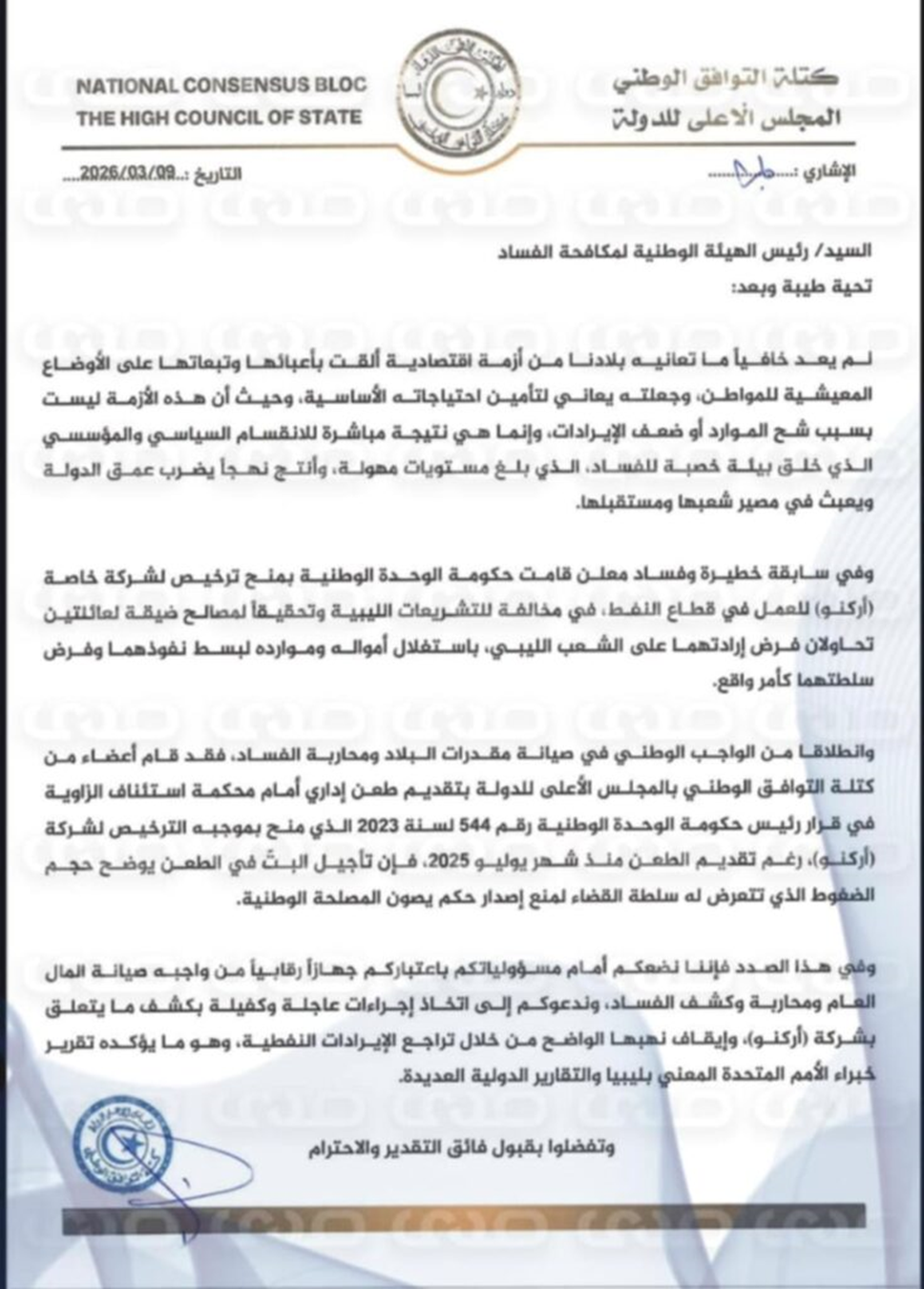
According to the complaints, in a serious precedent and an explicit act of corruption, the Government of National Unity granted a private company (Arkenu) a license to operate in the oil sector, in violation of Libyan legislation and in pursuit of narrow interests benefiting two families seeking to impose their will on the Libyan people by exploiting national wealth and resources to expand their influence and enforce their authority as a fait accompli.
They also stated that, based on the national duty to safeguard the country’s resources and combat corruption, members of the National Consensus Bloc in the High Council of State filed an administrative appeal before the Zawiya Court of Appeal against Decision No. 544 of 2023 issued by the Prime Minister, which granted the license to Arkenu. Despite the appeal being submitted in July 2025, the delay in ruling on the case reflects the extent of pressure exerted on the judiciary to prevent a verdict that would protect the national interest.
The statement added: “In this regard, we place you before your responsibilities as the legislative authority, tasked with directly overseeing and monitoring the executive branch and its affiliated oversight bodies. We call on you to take urgent measures to uncover the truth regarding Arkenu and to halt its clear plundering, as evidenced by declining oil revenues—something confirmed by the UN Panel of Experts on Libya and numerous international reports.”
Oil Minister Mohamed Aoun stated regarding the decision to assign Arkenu: “In truth, I am unaware of the details of this matter, as I was present at the Ministry of Oil in 2023 when the Corporation’s Board decided to assign Arkenu to participate in the production of the Sarir and Messla fields, as well as three other small fields. (For reference, the Tripoli Court of Appeal ruled invalid all actions of Farhat Bengdara because he does not hold Libyan nationality.) When this decision was referred to the government, the Prime Minister issued a decision in his own name without presenting it to the Cabinet, and without even sending a copy to the Minister of Oil and Gas—the primary authority on this matter under Oil Law No. 25 of 1955 (Articles 2 and 17), as well as Paragraph 8 of Article 2 of Decision No. 232 of 2021 adopting the organizational structure of the Ministry of Oil and Gas, which stipulates that the Minister must grant authorization for investment in oil resources. This reflects a pattern by the Corporation’s leadership, its board, and the Prime Minister of flagrantly and unprecedentedly violating laws and regulations.”
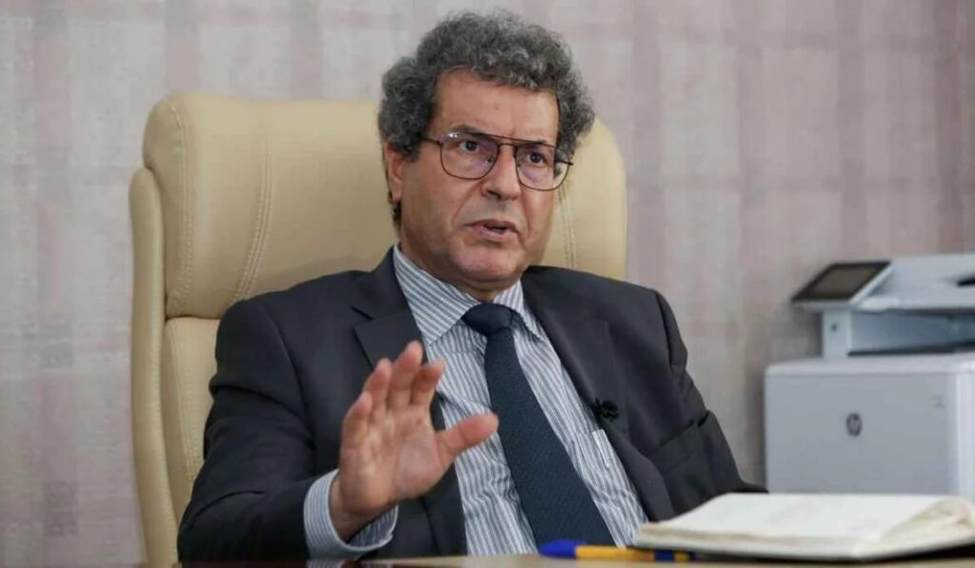
Aoun added: “As for cancellation, the Corporation’s Board of Directors is responsible for making that decision. However, it would be more appropriate for the Prime Minister to revoke his own decision—despite it being in violation of all laws—but administratively, assuming it were a valid measure, he should annul it first. He had previously stated, during what appeared to be a staged meeting between the Prime Minister and the Corporation, that he had issued decisions to cancel the agreement. I recall that the Chairman of the Corporation informed him they had received a letter from the government’s Legal Department instructing them to proceed. Is there any greater confusion than this? There should be an investigation, as the violations of all applicable laws and regulations by the Corporation and the Prime Minister’s office are clear. Of course, canceling the agreement would increase the country’s income by more than 100,000 barrels of crude oil per day. God help us.”
Oil and Gas Minister Mohamed Aoun also commented to our source regarding Arkenu’s announcement of its joint role in oil production with the Corporation, explaining that the Prime Minister of the Government of National Unity, Abdulhamid Dbeibah, was the one who issued the decisions related to this matter. He noted that the National Oil Corporation bypassed the Ministry of Oil and Gas by addressing the Prime Minister directly, without even sending a copy to the Minister.
Aoun confirmed that the Prime Minister also ignored the Minister, as no copies of these decisions were forwarded to him, despite their clear violation of Oil Law No. 25 of 1955, Law No. 24 of 1970, and Decision No. 10 of 1979, in addition to the decision adopting the organizational structure of the Ministry of Oil and Gas.
He concluded by stating that although the Prime Minister has repeatedly issued statements and publications calling for respect for laws, regulations, and judicial rulings, his actions clearly contradict his words, as he persistently disregards these legal frameworks.
Our source also exclusively obtained an official document in which the Arabian Gulf Oil Company addressed the National Oil Corporation to determine Arkenu’s lifting share at the Tahara field, allocating 600,000 barrels as its share out of the field’s total production of 1.2 million barrels, along with scheduling the lifting allocation.
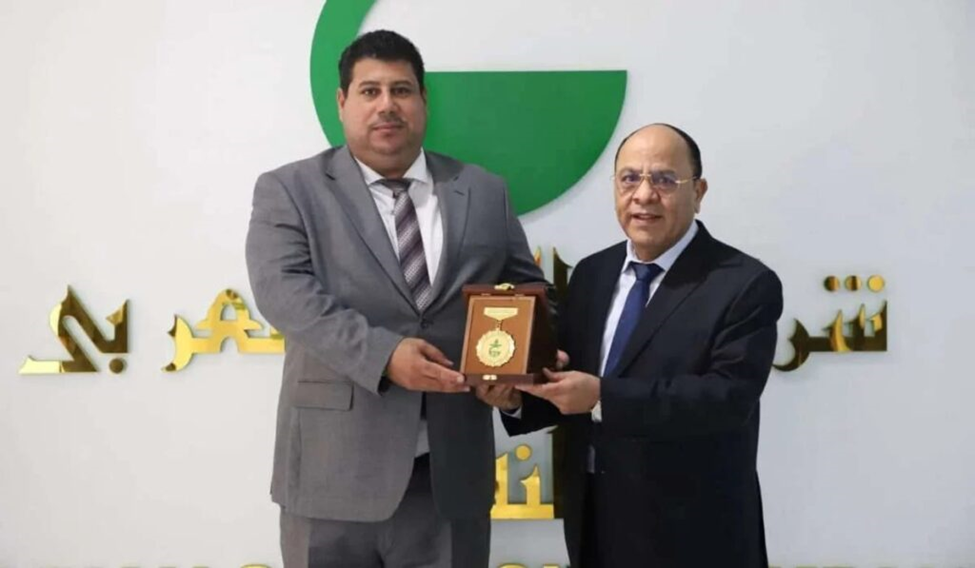
This was on the condition that “Arkenu” would be notified of the scheduled shipment date in order to prepare shipping instructions accordingly, as per the correspondence exclusively published by our source.
In addition, the National Oil Corporation addressed the Arabian Gulf Oil Company, approving negotiations with Arkenu to invest in some of its oil fields.
Abdulbasit Al-Jabou, Director of the General Department for Oversight of the Energy Sector and Public Companies, told our source regarding the Audit Bureau’s 2024 report that it includes data on crude oil export uses, export volumes, and quantities used to supply fuel under barter arrangements, in addition to partners’ shares and other allocations related to quantities transferred to local refineries, as well as those directed to the Ubari power plant.
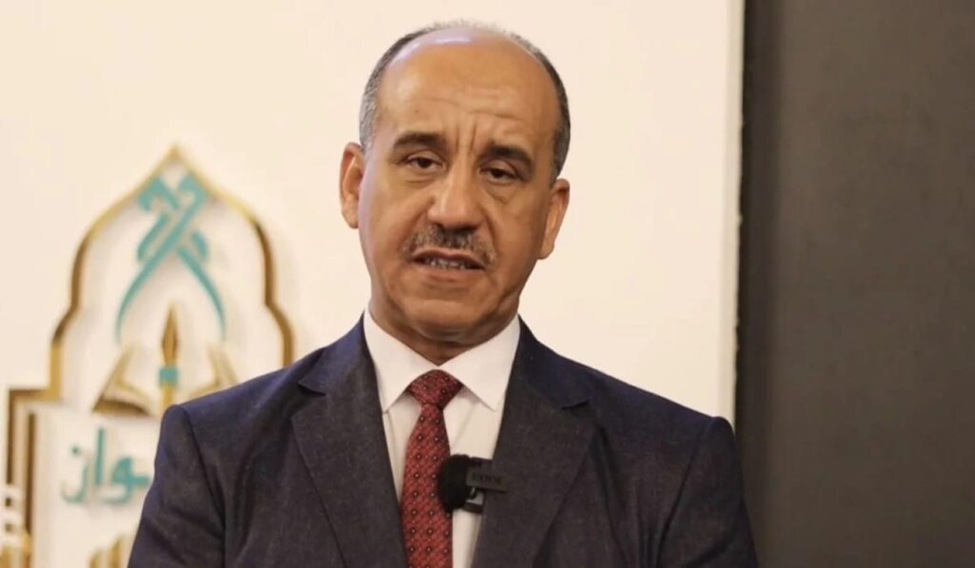
Al-Jabou added: “Regarding Arkenu, there are many details available, but they were not fully covered in the 2024 report. However, the report did clarify the volume of quantities allocated as Arkenu’s share, while additional points will be presented in the 2025 report. The share transferred to the company was included in the report and is among the reasons behind the decline in revenues transferred to the Central Bank of Libya.”
Al-Jabou also stated: “The main reason behind the country’s economic situation is the deterioration of conditions and the instability of the Libyan dinar exchange rate. This is largely due to the scale of spending during 2024 and 2025, both in the eastern and western regions. Expenditures exceeded collected revenues, which has placed significant pressure on the Central Bank of Libya in terms of foreign currency and has also impacted the balance of payments, leading to a deficit, as detailed in the Audit Bureau’s report.”
In conclusion, the Technical Director of Arkenu Oil Services, Engineer Mohamed Al-Satil, told our source exclusively that the company has effectively begun developing the Mezda and Sarir fields with the aim of increasing production, following the signing of an agreement with the National Oil Corporation allowing it to carry out well maintenance operations in both fields.
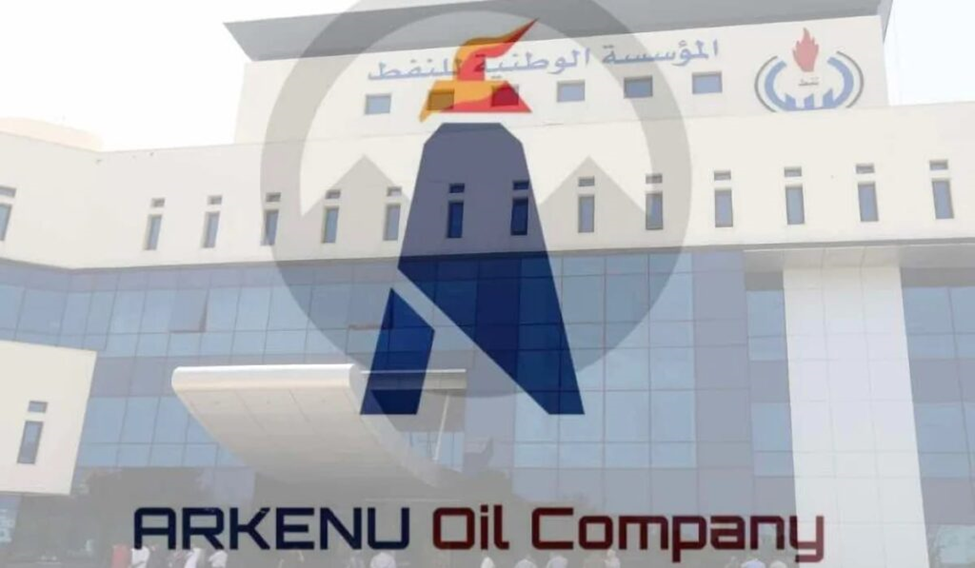
Al-Satil explained that the conference aimed to introduce the company, emphasizing that “Arkenu” seeks to enter the energy optimization sector, support the National Oil Corporation, and attract investors from both inside and outside the country, stating that “investment in energy is Libya’s future,” in his words.
He added that the company’s team includes 5 to 6 Libyan engineers with more than 20 years of experience in the oil sector, and that it has contracted the global company Schlumberger to benefit from the latest services and technologies in this vital field.
For his part, Radwan Bin Saud, Production and Reservoir Manager at Arkenu, confirmed in his statement to our source that the company is fully Libyan and operates within the private sector, seeking to cooperate with local and international partners to support the Libyan economy and ease the burden on the state budget.
He noted that Arkenu’s vision is to invest in Libyan expertise in the oil sector and increase production through advanced and fast-execution solutions, explaining that “the private sector is more flexible than the public sector and has the ability to open new horizons for growth, in compliance with Libyan laws and in support of national human resources.”
He also revealed that the company currently employs 200 people, having started with a team of no more than two individuals, adding: “In less than 10 months, we succeeded in raising production to 43,000 barrels per day, which is a significant achievement for a startup in the Libyan market.”
Bin Saud concluded his statement by saying: “Despite what is being said, Arkenu includes qualified Libyan youth and, with the support of national businessmen, we aim solely to increase production through national capabilities, away from any other agendas.”