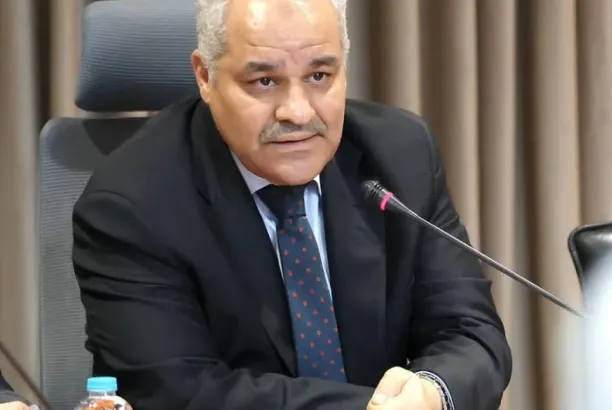
Central Bank of Libya Monetary Policy Committee member Ayoub Al-Farisi published a statement entitled: “The Features of Urgent Reform to Halt the Economic Collapse… Reforming Policies, Then Integrating Them.”
Monetary policy cannot operate in a vacuum, nor does it possess magical tools to address a deficit that is fundamentally caused by “the loss of control over the state’s public finances,” along with high levels of corruption and wasteful public spending.
For the Central Bank to regain control over its policy tools—exchange rates, monetary stability, and containing inflation—it needs a foundation of structural fiscal reform that removes corruption and brings spending under control without burdening citizens with the consequences of these crises.
Establishing Rules for Fiscal Discipline and Transparency (The State’s Financial Law)
- Unifying government spending: Requiring all parties and executive authorities to comply with the state’s financial law and consolidating revenues into the general revenue account at the Central Bank.
- Subjecting budgets to oversight: Subjecting all spending operations and contracts to prior and subsequent oversight by the Audit Bureau and other regulatory authorities.
- Regular publication of financial data: Requiring the Ministry of Finance to publish monthly disclosure reports detailing where every dinar spent goes and the sources of revenue, in order to promote transparency and restore public and market confidence.
Removing corruption from the fiscal equation and closing channels of waste in fuel subsidies and excessive public-sector employment would be sufficient to save billions of dollars annually. This would immediately ease pressure on public debt and demand for foreign currency.
Only then will the Central Bank have the appropriate environment and sufficient fiscal backing to manage monetary policy efficiently, preserve the value of the Libyan dinar, and maintain price stability without placing an excessive burden on citizens.