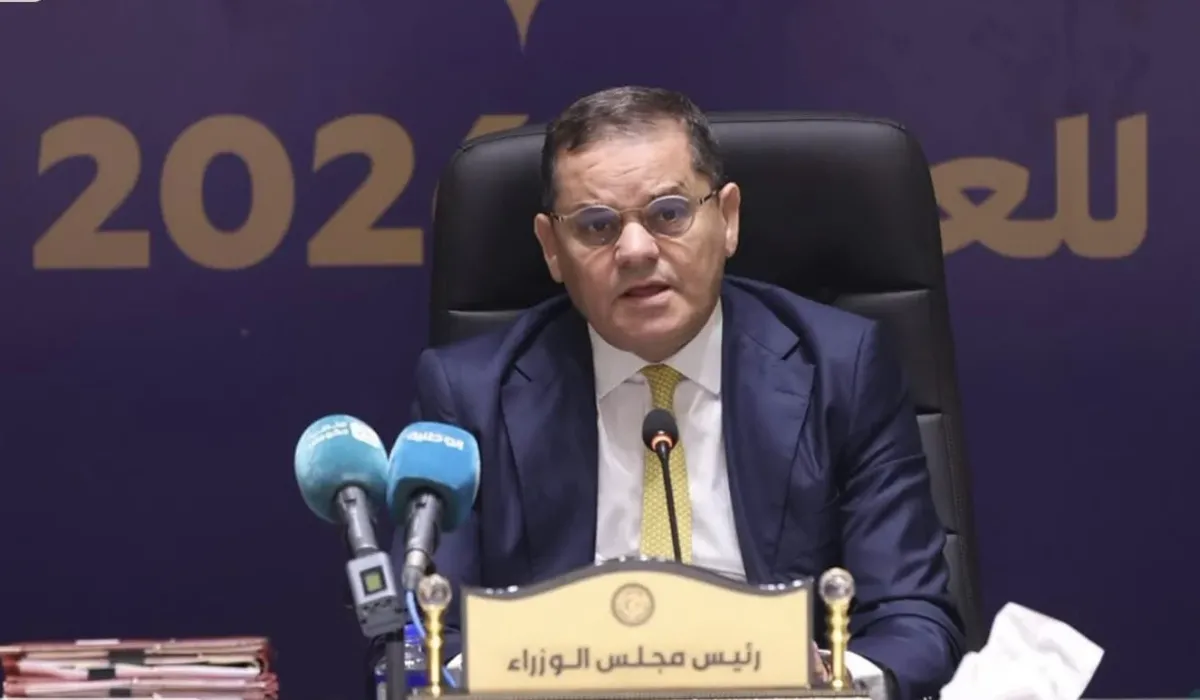
Our source has exclusively obtained a letter sent by the Libyan Audit Bureau to Prime Minister Abdul Hamid Dbeibah, in his capacity as Chairman of the General Assembly of the General Electricity Company of Libya (GECOL), dated 22 September 2025, regarding the worsening electricity crisis.
According to the letter, the Chairman of GECOL’s Board of Directors has continued to prevent the Audit Bureau from reviewing the company’s accounts and from accessing the financial data and information necessary to perform its oversight functions. As a result, the Bureau has been unable to audit the company’s accounts for the 2022–2025 period despite repeated directives from the Prime Minister instructing the company to cooperate.
The letter further states that approximately LYD 36.035 billion had been allocated to the company over recent years, in addition to substantial quantities of fuel supplied by Brega Petroleum Marketing Company. It holds the Chairman of the Board legally responsible for any financial irregularities or violations and notes that the company’s actions constitute a breach of Article 46 of the Audit Bureau Reorganization Law.
The Audit Bureau also reported receiving repeated complaints from several of its regional branches—including Tripoli, Gharyan, Wadi Al-Ajal, Zintan, Yafran, Al-Marqab, Tarhuna, and Zawiya—regarding the company’s refusal to cooperate with auditors. It also received complaints against the Chairman of the Board, including one filed by 203 national companies over unpaid dues. In addition, subsidiaries of the Libyan Electricity Holding Company reportedly suffered financial harm due to delayed payments, resulting in employee salaries being unpaid for periods of up to 28 months.
The letter also highlights the continued instability of the national electricity grid and the return of scheduled power outages. It estimates the country’s electricity generation shortfall at approximately 1,500 megawatts, with power cuts lasting up to six hours in some areas. It further accuses the company of presenting a misleading picture of the situation by reducing outages in central Tripoli and other strategically important areas while shortages persist across the rest of the country.
The Audit Bureau concluded by calling on the Prime Minister’s Office and the General Assembly of GECOL to take firm measures to ensure the Bureau is granted full access to carry out its oversight responsibilities and to help prevent the electricity crisis from worsening further.