|
Written by: Economist Idris Al-Sharif It is often said that the wage bill is “inflated,” especially since it consumes more than 40% of public spending in a country where roughly one-third of the…
|
Written by financial analyst Khaled Al-Zantouti: An innocent question: how did the foreign partner’s share of crude oil drop in April to 14% from 20% in March!? Did it miraculously decrease by…
|
A member of the Central Bank’s Monetary Policy Committee, Dr. Ayoub Al-Farsi, wrote: “The 80 Billion Leap: Instant Transfers Drive Libya’s Digital Transformation.” In a scene reflecting a fundame…
|
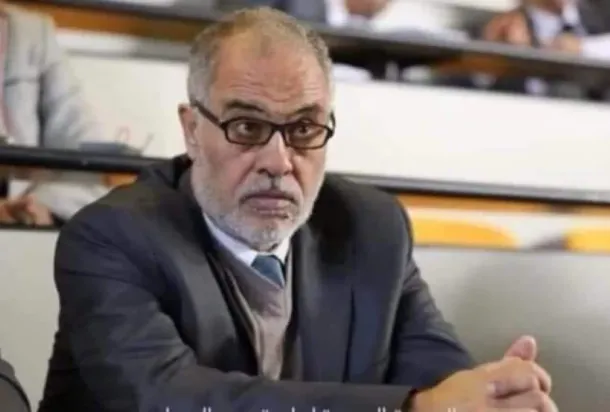
Written by: Economics Professor Al-Mabrouk Derbash – Peer-reviewed academic research Nepotism is considered one of the major obstacles to good governance and the development of the public sector…
|
Economist Mohamed Al-Safi wrote: Dissecting Libya’s financial time bomb: excessive public spending (at unsustainable levels), declining revenues (due to structural leakages), rising public debt (…
|
Written by economist Dr. Helmi Al-Gmati: In a move that reflects a notable shift in monetary policy tools, the Central Bank of Libya has announced the adoption of a “restricted deposit” product i…
|
Written by Presidential Council Member “Abdullah Al-Lafi”. We welcome the achievement realized today with the signing of the unified public spending agreement, following a long marathon of seriou…
|
Written by economic expert “Saber Al-Wahsh”. This agreement represents a positive step that can be built upon, provided there is real commitment to its terms by all concerned parties. Controlling…
|
Written by Professor of Economics “Dr. Helmi Al-Gmati”. The statement issued by the Central Bank of Libya welcoming the signing of the unified development agreement—which includes unifying public…
|
Written by the Head of the Accounting Department at the Libyan Academy, “Abubakr Abu Al-Qasim”. Recent news has reported the signing of an agreement to unify development spending among the partie…