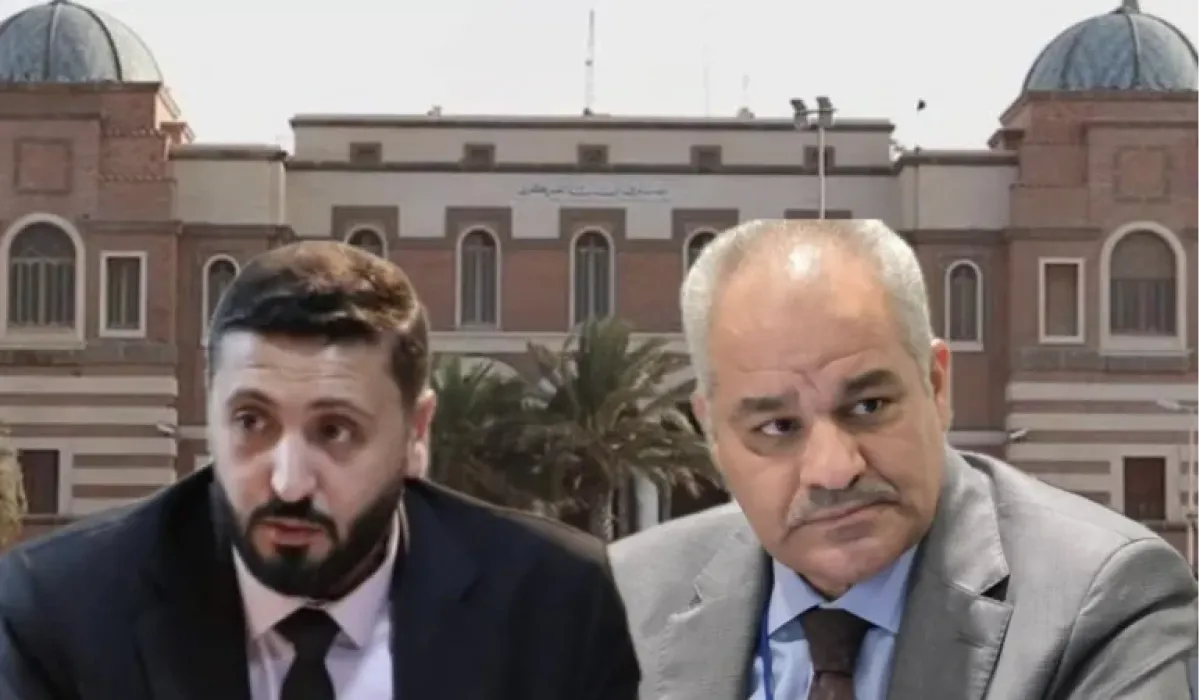
Our source obtained a letter from the Governor of the Central Bank of Libya addressed to the Minister of Economy, requesting the issuance of a decision to regulate import and export operations exclusively through banking transactions in order to protect consumers. This comes after the Central Bank observed the continued growth of imports and re-exports conducted through non-banking payment methods, a phenomenon that supports the parallel market, opens the door to financing illegal activities, and leads to the import of goods that do not meet standards, ultimately harming the health and safety of citizens.
The Central Bank’s letter stated that the continuation of this phenomenon represents a direct threat to the national economy, contributes to the depletion of foreign currency reserves, raises prices, and further supports corruption and smuggling networks. It also poses a direct threat to economic and social security and creates a major obstacle for the Ministry of Economy in monitoring and regulating the prices of goods and services.
The Central Bank of Libya added that, being fully aware of the seriousness of this issue, it has provided all types of payment solutions, most recently launching direct transfers for small traders and craftsmen of up to $100,000. Therefore, there is no longer any justification for continuing imports outside officially approved channels. In addition, banks have been allowed to conduct foreign currency transfers between accounts, enabling direct external transfers based on these accounts for the import of goods and services.
The Central Bank also emphasized in its correspondence the primary role and responsibility of the Ministry of Economy and Trade in regulating import and export operations and supervising their sources of financing in accordance with existing legislation. It expressed hope that the Ministry would issue a decision prohibiting imports and re-exports without transfer procedures conducted through the banking sector, effective June 15, 2026, in order to preserve the country’s economic security, reduce smuggling and the entry of prohibited and substandard goods, ensure market safety and consumer protection, and help the state avoid risks related to international evaluations in the fields of anti-money laundering and counter-terrorism financing.